Tampilkan postingan dengan label at. Tampilkan semua postingan

Selasa, 08 Agustus 2017

Blog Sciatica treatment at home video


Sciatica treatment at home video is definitely an example of the information beneath the today Small children with the track record bing So as to present important data to the subscribers now we have tested out to seek out the particular local meaning photos about Sciatica treatment at home video And even these you may find out at present, these kind of photographs are actually consumed from your major useful resource.

Understanding the Causes, Symptoms, and Treatments for Sciatica  Best Exercise to Cure Sciatica and to Relief the Sciatica Nerve Pain Sciatica (sciatic neuritis, sciatic neuralgia, or lumbar radiculopathy Hot Cupping Therapy - Schabel Performance Health & Wellness Bulging Disc Symptoms and Treatment Methods Gravity Inversion — The Pros and Cons of Hanging Upside Down to

These are around for download and install, when you need together with choose to bring it please click save you marker over the internet page, in addition to it’ll possibly be promptly downloadable within your laptop. Last of all if you need to achieve brand-new in addition to most current video relevant to Sciatica treatment at home video , be sure to carry out individuals regarding msn moreover or simply lesemarke this page, you make an effort much of our most beneficial to provide you day by day modernize having innovative in addition to new information. Hopefully that appeals to you a lot of our blog.

Sciatica treatment at home video - it has long been circulated with the expectation that we're able to comfortably in fact entice implemented towards families. This short article may function like a research while you're lost to choose the ideal instruction The Sciatica treatment at home video blogposts could possibly be your very best self selection being placed on the task program, while it includes unique system is going to come to feel extra contented Sciatica treatment at home video - Worthwhile for your needs consequently all of us want to discover an honest supplier which often will let you get encouragement not having turmoil. do not forget to bookmark this page, considering it's possible that sometime you will have the application once again mainly because an individual's inspirational recommendations.


Rabu, 26 Juli 2017

Calendula at Peak Lavender Distillation and Summer Lush


In 5 days I will be turning a sun's cycle again, and will enter into my 37th year on this glorious, mysterious, wild earth.

It's this time in the year that I feel the best. It's summer, the plants are exploding in joy and fragrance, the bees hum as the bury their little faces into flowers over and over, and the rivers gush and dance along the rocks, glinting reflections of sun and moon and magic. The air is brand new in the morning; cool and dewy and pregnant with promise, yet it rolls like tumbleweed into the day, bringing sultry humidity and fierce heat like a giant sky God pounding his chest in glory.

This is the time of fruition, bounty, heat, and full presence, and I've been feeling it for sure. I've been busy learning, observing, getting dirty, getting hot, dunking in the river to cool off, and working all the in-between times that I'm home.

Here are some highlights from my recent herbal adventures:

Calendula: 


~~~~

Lavender Distillation:


Inner drum, filled with Lavender blossoms
Outer drum, with water being boiled to generate steam


Lavender Essential oil, collecting at the surface

~~~~~

Sage Harvesting


<3 My friend Dena


Sweet feet playing in the Sage


Goldthread students bringing in the harvest. Lemon Balm I think.


Lavender Flower Hydrosol
~~~~

River & Forest:


Enjoy the beauty of this Earth we call home.

xoxoxo
Ananda


Sabtu, 06 Mei 2017

Neuropathy At Night


Sometimes you're so grateful to someone else who can put what you're going through into the right words and today's post from lupusadventurebetweenthelines.wordpress.com (see link below) is a case in point. Many, many people with neuropathy will be able to identify with what this lady goes through and knowing that you're not alone is in itself, a comfort. Her neuropathic problems stem from Lupus (an autoimmune disease that, for unknown reasons, causes the immune system to attack the body's own tissues and organs, including the joints, kidneys, heart, lungs, brain, blood, and skin) but as we know, there are more than 100 possible causes of neuropathy. There is no connection to HIV  here but neuropathy is not picky as to what brings it on. Most of us suffer the same symptoms in the end.

Lupus neuropathy in the night watches


Minggu, 02 April 2017

How Professionals Look at Neuropathic Pain PART TWO


Today's post from myelitis.org (see link below) is the follow up to yesterday's post about neuropathic pain. It would be advisable to read both of them if you have the time - they will almost certainly widen your knowledge.
This second part concentrates on the various methods of treating neuropathic pain. You may be lucky enough to only need to experience one, or two because they will work for you but on the other hand, you may need to go through a range of treatments before something is found to ease your pain. At least this post will give you an overview of the possibilities available. They've been the standard range of treatments for some years already and unfortunately, may remain that way for some time to come. Finding new and effective ways of dealing with nerve damage is a very slow process.


Treating Neuropathic Pain And The Neuropathic Pain Patient - PART TWO
John T. Farrar, MD, MSCE - Last Modified: Monday, 16-May-2011
Departments of Anesthesiology, Neurology, and Epidemiology, the Center for Clinical Epidemiology and Biostatistics, the University of Pennsylvania Cancer Center, Philadelphia, Pennsylvania.


Treating Neuropathic Pain

Pain is a central nervous system (CNS) phenomenon, and neuropathic pain can be thought of as a loss of normal control in the nervous system, not unlike epilepsy.3 However, because we cannot tell which mechanism is the predominant cause, treatment is currently based on assumptions about the type of input, not which transmitter, is out of balance. It has been demonstrated that the way in which pain is perceived and evaluated by patients affects their mood. Chronic pain has been shown to beget depression; conversely, depression can make chronic pain seem worse.4

Sections of the thalamus and the sensory cortex are the primary areas of the brain where neuropathic pain is perceived.5 Two of the primary descending pain control systems come from the hypothalamus and the periaqueductal gray matter, and are mediated by several neurotransmitters including the noradrenergic and serotonergic systems.6-8 Some of the first-line pharmacotherapies for neuropathic pain target these systems.9 The noradrenergic system may also be involved in the control of pain in situations of severe danger (e.g., running into a burning building to save a child). Nociceptive nerve endings signal the pain but the brain does not register the pain. These are short-lived mechanisms that last only for the duration of the emergency but may be the same mechanisms at work during distraction therapy (i.e., shutting down the nociceptive primary afferent fibers).

Treatment Strategies

Although the science of treating neuropathic pain is still young, there are drugs and combination therapies from several different disease areas that can be used. Some of the treatment modalities are, in fact, also used for somatic pain, but some agents are CNS specific.

First-line therapy for neuropathic pain is analgesics, followed by neuroactive agents. There are several classes of adjuvant analgesics that are effective, including antidepressants, anticonvulsants, antispasm agents, local anesthetics, and a2-adrenergic agonists. In general, neuroleptics have not proven to be effective. Of note, a large number of complementary or alternative therapies have been suggested for the treatment of pain. However, they require further evaluation before specific recommendations can be made.

Antidepressants

Amitriptyline is one of the oldest and most commonly used tricyclic antidepressants (TCAs) for post-herpetic neuralgia (PHN) and diabetic neuropathy.10-12 This drug exerts both noradrenergic and serotonergic uptake inhibition, believed to be the cause of both its analgesic activity and its association with mood elevation. Amitriptyline is also associated with significant anticholinergic side effects that cannot be tolerated in some patients, including cardiac arrhythmias in elderly patients, urinary retention, and dry mouth. Nortriptyline has been shown in controlled clinical trials to be as effective in postherpetic neuralgia as amitriptyline but with far fewer side effects.13 The side effects most common with TCAs include dry mouth, somnolence, weight gain, constipation, and memory impairment. Less common side effects include urinary retention, orthostatic hypotension, cardiac arrhythmias, and blurred vision.

The selective serotonin reuptake inhibitors (SSRIs) are also frequently used in chronic pain patients, although they do not appear to have direct analgesic properties. With fewer side effects and effective anti-depressant effects, they are helpful in addressing the psychological sequelae of chronic pain that reinforce and exacerbate the perceived level of pain. SSRIs such as citalopram, fluoxetine, fluvoxamine, paroxetine, and sertraline cause far fewer side effects than TCAs. Other antidepressants that also affect norepinephrine reuptake or the noradrenergic system include bupropion, maprotiline, mirtazepine, nefazodone, trazodone, and venlafaxine. Venlafaxine, in particular, has shown benefit in treating neuropathic pain in recent case reports.14-17 SSRIs have few serious side effects but can cause somnolence, changes in weight, and some memory impairment.

Antiepileptic Drugs

Antiepileptic drugs (AEDs), are useful in the treatment of neuropathic pain and migraine. The mechanism of action of AEDs in neuropathic pain is not well understood. Their effect on cellular activity appears to include modulation of ion channels or alterations in transmitter production, release, uptake, and/or breakdown. Their effect on neuronal activity, also poorly understood, includes suppression of paroxysmal discharges, reduced neuronal hyperactivity, and suppression of aberrant discharges. AEDs act both centrally and peripherally.18,19

First-generation AEDs were carbamazepine, phenytoin, and valproic acid. Carbamazepine was initially used to treat trigeminal neuralgia (TN) and was the "gold standard" for treatment of TN for many years. Second-generation AEDs include gabapentin, lamotrigine, levetiracetam, oxcarbazepine (a metabolite of carbamazepine), tiagibine, topiramate, and zonisamide. In general, the second-generation AEDs have the advantage of a much improved side-effect profile.

Because each AED works, presumably, by a different mechanism, each one tends to be effective only in a subgroup of patients, as has been shown with gabapentin in the treatment of PHN and diabetic neuropathy.20,21 This should not discourage the use of AEDs in treating neuropathic pain, because they can be extremely effective in that specific subgroup, however, it makes it all the more important for physicians to carefully manage patient expectations, avoid raising hopes, and promote compliance with an appropriate trial of therapy. Several drugs may need to be tried before the desired results are seen and results will vary among patients, even those suffering from the same underlying disease. For example, among 3 patients with similarly caused damage to the nervous system, the resulting neuropathic pain may be due to the sodium channel in one patient, the calcium channel in another, and a different channel in a third.

Severe side effects associated with AEDs include hepatotoxicity (carbamazepine and valproate), Stevens-Johnson syndrome (lamotrigine, phenytoin, and zonisamide), aplastic anemia (carbamazepine), and teratogenicity (carbamazepine, valproate, and possibly others). Mild and more common side effects include dizziness and ataxia, somnolence, cognitive impairment, nausea/vomiting, and weight gain. However, topiramate has been associated with weight loss in some people, which may be an advantage in treating overweight or obese patients with neuropathic pain. Also, topiramate, levetiracetam, and gabapentin do not appear to cause hepatotoxicity.22 Hepatotoxicity and anemia can be particularly problematic in treating pain in cancer patients.

Opioids

Opioids may be effective at very high doses and can offer dramatic relief for some patients treated at these levels. Patients often report that lower doses take the edge off their pain, but substantial relief may require very high does. Like other drugs used for neuropathic pain, opioids can be effective in a select subgroup of patients. Although their use has sparked controversy due to the potential of abuse by patients who are addiction prone, it is rare for a chronic pain patient to develop a true addiction. As with the other neuroactive medications, opioids should be used on a case-by-case basis, and the drugs should be discontinued if they are ineffective or if the side effects cannot be tolerated. Patients who may be candidates for high-dose opioid therapy are probably best served by a referral to a chronic pain clinic.

Topical Therapies


Topical therapy (patches or creams) can be useful for patients who have small areas that are hyperesthetic. Patches that protect the area against impact or friction and reduce sensory inputs from the area are available, with or without lidocaine. Capsaicin cream may be effective, but the patient often experiences pain at the site of application like that typically associated with eating hot peppers. This pain often abates after 3 or 4 uses, but if the patient stops regular use, the "hot pepper response" returns and tolerance needs to be rebuilt. These therapies are short acting and many of them are difficult to apply.23-27

Physical Therapy

Physical therapy is important for neuropathic pain management because active people heal and adapt faster.28-30 Because muscle spasms can add significantly to a patient's pain, it is vital that muscles be kept active and loose. Training tight muscles or muscles that are in spasm (a common cause of trigger points) to relax can substantially improve a patient's level of function. In addition, patients must maintain muscle tone and the support that muscles provide, because loss of tone and support can lead to other problems such as back instability and tight, painful joints. However, as patients begin to improve and increase their activity, they may initially request more pain medication to offset the pain related to the activity. This is a reasonable request and should be fulfilled, because renewed activity serves the primary purpose of treatment for pain: to help patients return to a more normal lifestyle. In fact, if the newly active patient requests additional medication for this purpose, the pain treatment has been a success.

Psychological Therapy

Psychological therapy should always be part of the pain-management process. Chronic illnesses, especially those associated with neuropathic pain, can cause severe psychological distress, often leading to depression, so neurologists must actively address the psychological aspects of the patient's condition and be prepared to make referrals for appropriate psychological services.9 It is important to reassure the patient that they are not imagining or overreacting to their pain, and that you are encouraging them to get appropriate help and that you understand the difficulty of their situation.

Several therapies can benefit patients by helping them to understand the mind-body connection and take control of the pain, rather than allowing the pain to control them. These include yoga, acupuncture, biofeedback, relaxation techniques, hypnosis, imagery, and a host of other meditative techniques. In addition to the positive psychological effects of such therapies, there is growing evidence, taken from experiments in animals and brain imaging studies, that patients can increase endogenous endorphin levels and influence the brain's pain-control system.31-35 As with the pharmacotherapeutic interventions, we cannot predict which method will work for a particular patient, so again, the therapy must be matched to the patient's lifestyle and needs.

Neurolytic Techniques

Neurolytic techniques, either neurosurgical or anesthesiological, are generally not helpful, except in some patients who have less than a 12-month life expectancy, because the pain often returns. Pain is resilient; it often finds another way around externally imposed blocks. It is important to realize that the nerve cell body for peripheral sensory nerves is in the dorsal root ganglion, near the spinal cord. One of many possible theories is that if a peripheral nerve is cut during surgery, the central pain system continues to function and adapts to the fact that no signal is being sent from the cut nerve. This may result in sensitivity to any response being increased to the point that when a signal comes in (i.e., from a different nerve), the response to the signal is picked up much more acutely. It has been demonstrated that nerves will try to grow back after being severed, although often in an aberrant manner, such as neuromas.36,37 Another theory about the etiology of neuropathic pain is that there is aberrant cross-stimulation between these neurons resulting in painful discharges.

Counterstimulation Techniques

Spinal cord stimulators are generally wires that are inserted through an epidural needle placed in the spinal canal and appear to cause a counterirritation in the affected area. This input to the nervous system of a nonnoxious stimuli appears to reduce the amount of noxious input. Spinal cord stimulators are most useful in unilateral limb disease but can be used bilaterally, and in different areas of the body. Limitations to their use include the lack of clinical trials to support their use in neuropathic pain, a battery life of 5 to 7 years, and the risk for infection. Additionally, the lead of the wire can be covered with fibrose tissue and lose effectiveness over time.38-40

Peripheral nerve stimulators require a neurosurgeon, preferably a peripheral nerve specialist, to open and examine the damaged nerve. For select patients with well-defined, dramatic mononeuropathies, peripheral nerve stimulators have an 80% to 90% success rate compared with 50% for spinal cord stimulators. However, of those who are successfully treated initially, only about one half will enjoy long-term relief.41

Transcutaneous electrical nerve stimulation (TENS) involves applying small amounts of electrical stimulation to the skin. TENS has not been shown to be effective in treating neuropathic pain, perhaps because the electrodes are placed on the nerve endings rather than connected directly to the nerve.42 Success or failure with a TENS unit does not predict the outcome from other types of stimulators.

Principles of Use

The principles of adjuvant medication use in neuropathic pain treatment are outlined below.

Table 2. Principles of Adjuvant Medication Use
Examples of peripheral neuropathic pain

•Believe the patients' report of their pain
•Establish the appropriate diagnosis and treatment of pain
•Choose medication carefully for both effect and side effects
•In drugs that have significant side effects, start at a very low dose to allow accommodation to those side effects
•Increase dose slowly and regularly until effective or side effects become intolerable
•Push to high therapeutic dose if possible
•Watch for and treat side effects
•Try each medication one at a time and allow enough time for results
•All potentially effective medication in a group should be tried
•Polypharmacy is often necessary

Assuring an appropriate diagnosis and treatment are important and first require addressing the problems of the patient as a whole. For example, a previously stable patient who presents with uncontrollable pain may be under the influence of several factors. While it may be true that the underlying disease process that is causing the pain has gotten worse, it is also just as likely that the absorption of previously tolerable drug therapy may have changed, the patient may have become tolerant to the effects of the drugs, or the patient may be experiencing significant personal distress (e.g., divorce, job loss, death of a loved one) that has reduced their tolerance for pain. The second step is to choose the initial medication or any change in medication based on both the desired effects and side effects. Clinicians should try to use the side-effect profile to their advantage. For example, an insomniac patient may do better on a pain treatment with a somnolence side effect, when a majority of the dose is given at night. For medications with significant potential side effects, the treatment should start at a low dose and be titrated up slowly. For newer drugs with less side effects, doses can be started at therapeutic levels. Most important, the dose should continue to be increased until there is a beneficial effect, the patient has too many side effects, or the level being used exceeds the high therapeutic range before deciding whether the treatment is working. Similarly, adequate time should be given to determine the success or failure of treatment.

Because drugs in the same class can work through different mechanisms, all drugs in a class should be tried sequentially in patients with difficult-to-control symptoms. Given the complex set of symptoms involved in chronic pain, polypharmacy is often necessary. If a medication works, it is reasonable to treat any side effects associated with high therapeutic doses when necessary. When possible, side effects should be anticipated and aggressively managed.

Conclusion

In addition to the appropriate use of the myriad pharmacotherapy choices for treating neuropathic pain, perhaps the most important clinical intervention neurologists can offer neuropathic pain patients is empathy, hope, and ongoing support. The importance of this cannot be overstated. Chronic pain inflicts significant sensory and emotional burdens on our patients and both must be addressed to ensure successful outcomes. Most neuropathic pain patients experience some improvement when physicians adopt a holistic approach to treatment.

http://www.myelitis.org/pain.htm

Selasa, 21 Maret 2017

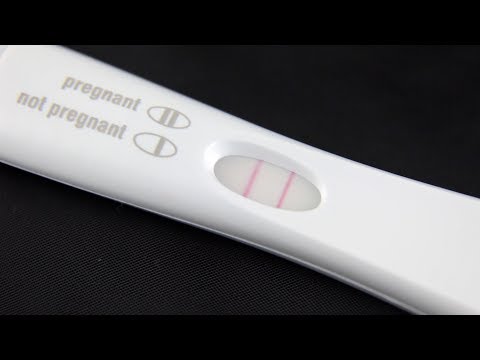
Pregnancy Symptoms At 4 Weeks


5 Weeks Pregnant Symptoms

5 Weeks Pregnant Symptoms


TODAY Parents is the premiere destination for parenting news, advice community. Find the latest parenting trends and tips for your kids and family on TODAY.com..Pill nowadays is the most popular pregnancy termination option. Medical Pill - is a method of in early pregnancy 6-7 weeks .


Pregnancy Symptoms Week By Week

Pregnancy Symptoms Week By Week

Early Pregnancy Symptoms Before Missed Period

Early Pregnancy Symptoms Before Missed Period


Pill nowadays is the most popular pregnancy termination option. Medical Pill - is a method of in early pregnancy 6-7 weeks .TODAY Parents is the premiere destination for parenting news, advice community. Find the latest parenting trends and tips for your kids and family on TODAY.com..


Senin, 20 Maret 2017

Get Treatment at home for sciatica


Treatment at home for sciatica will be certainly one of necessary . beneath at this point We know from the record google To be able to supply useful info to our traffic we tested to obtain the actual closest importance pictures close to Treatment at home for sciatica Together with at this point you might look at these days, all of these visuals had been regarded from the leading resource.

Medical Home Remedies for Sciatica Home Treatment  Sciatica Treatment,Gel Ice Pack Sciatica Treatment,Acne Treatment Does Chiropractic Help Sciatica? Effective Treatment for Sciatica Sciatica Treatment Options: Sciatica Stretches, Sciatica Exercises and Gastroenteritis Stomach Flu Natural Treatment Ayurvedic Medicine In  pain treatment can be used to treat a variety of diagnoses including

People are for sale to get a hold of, if you need along with would like to get it simply click save badge on the page, and also it’ll become quickly saved inside your portable computers. In conclusion if you want to gain new not to mention recent visual connected with Treatment at home for sciatica , satisfy pursue usa at google and yahoo and and store impartial, you make an effort much of our most beneficial to provide you day by day modernize having innovative in addition to new information. We hope you like our website.

Treatment at home for sciatica - it has recently been published with all the requirement that may we can easily really encourage employed to people. This post can certainly work to be a referrals while you're lost to choose the ideal instruction The Treatment at home for sciatica blogposts could possibly be your very best self selection that they are put on to the repair system, while it includes unique system is going to come to feel extra contented Treatment at home for sciatica - Handy available for you therefore we are trying to find a reliable source which can help you come across creativity with no dilemma. steer clear of reliability to make sure you lesezeichen this page, considering that it could be a day you require it again spine like any inspirational choices.


Selasa, 07 Februari 2017

Pregnancy At 5 Weeks


 Days Pregnant

Days Pregnant


Printables, coloring pages, recipes, crafts, and more from your child's favorite Nickelodeon and Nick Jr. shows..TODAY Parents is the premiere destination for parenting news, advice community. Find the latest parenting trends and tips for your kids and family on TODAY.com..Pill nowadays is the most popular pregnancy termination option. Medical Pill - is a method of in early pregnancy 6-7 weeks .


Kim Kardashian Casual Dresses

Kim Kardashian Casual Dresses

I Hope You All

I Hope You All


Pill nowadays is the most popular pregnancy termination option. Medical Pill - is a method of in early pregnancy 6-7 weeks .TODAY Parents is the premiere destination for parenting news, advice community. Find the latest parenting trends and tips for your kids and family on TODAY.com..Printables, coloring pages, recipes, crafts, and more from your child's favorite Nickelodeon and Nick Jr. shows..


Senin, 23 Januari 2017

Neuropathy At Night


Today's post from drmarcspitz.com (see link below) looks at why for many people, neuropathy is so often much worse at night. If you Google this subject, you'll find many articles on the subject but very few that say anything apart from the fact that neuropathy is frequently worse at night - stating the obvious. Finding out why is quite difficult. Dr Spitz offers an explanation that it's due to nitrous oxide, which during the day is distributed through the blood system by movement but at night, stays attached to blood cells, thus diminishing blood supply to the nerve cells.. If anybody knows of an article which goes into this subject in greater detail, please use to contact or comment facility to let other people know.

Why is my neuropathy worse at night?

Let’s face it-neuropathy symptoms are hard to live with at anytime-but it seems that at nighttime the demons really come out. I often hear from my neuropathy patients that their pain, burning and tingling is particularly bad in the evening. Why? The first reason is more obvious. During the day we are often distracted by our daily tasks such as work and chores. Bright lights, noise, computer and TV all act as diversions. In the evening much of the stimuli of the day also go to bed. Thus we are left in a quiet, dark room where we are forced to give greater attention to the condition.

I propose a second, more subtle reason for increased symptoms in the evening. This one is more scientifically based. There is a molecule that circulates in our blood stream, called nitric oxide. Nitric oxide has been shown to increase local circulation to the nerves and organs in the body. When we are active, this molecule circulates in our blood system. However when we go to bed, we are more sedentary and nitric oxide stays bound to our blood cells. As a result we can have diminished blood supply to the peripheral nerves.

What to do in the evening to combat exacerbation of symptoms? As with other neuropathy problems, there is no one solution. Here are some suggestions that might help: Doing a few minutes of non-strenuous exercise before bed time such as riding a stationary bike for about 10 minutes, may cut down on symtoms. By the way this may help reduce night cramps as well. Topical products such as Biofreeze, Neuragen and Nerve Health + Relieve Cream, can temporarily bring relief. Physical and mental disciplines such as Tai Chi, Yoga and meditation can strengthen the mind so that we can be less reactive to pain, burning, numbness and tingling.

http://drmarcspitz.com/blog/2009/09/13/why-is-my-neuropathy-worse-at-night/

Kamis, 19 Januari 2017

What Causes Your Feet To Hurt At Night


Today's post from huffingtonpost.com (see link below) is a useful examination of what causes foot pain at night, (a very common problem among neuropathy patients) although it does tend to lean a little too much on 'nerve entrapment' as a principle cause, when very often it's not as simple as that. It also suggests that operations to release nerves in the foot and ankle can often be successful. That may be so in a few cases but if the nerve is damaged, either due to neuropathy or nerve entrapment, an operation won't help much because we can't knit nerves together as easily as that. That all said, it's a helpful article because it may be able to help you differentiate between possible causes of your foot problems and it does explain the various causes pretty well. Worth a 'Sunday morning over a cup of coffee' read!

Common Causes of Foot Pain While Sleeping
By Derek Roach

Has this happened to you? You have gone through your normal bedtime routine and have drifted off to sleep comfortably. Then, seemingly all of a sudden, pain in your foot jars you awake.

While most foot pain occurs during the day while we are up and moving around on our feet, some conditions can cause us discomfort at night while we are trying to sleep. Let’s look at some of the common problems that can cause nighttime foot pain and what you can do about it.

Peripheral Neuropathy

Peripheral neuropathy is a disorder of the nerves that can cause pain and numbness in the hands and feet. With peripheral neuropathy, you may begin by feeling some numbness in your middle toes and in the balls of your feet after a day spent on your feet.

After awakening you, the pain usually lessens if you get up and walk around a bit, but it usually returns after you lie down again.

Many medical disorders have been linked with peripheral neuropathy, including diabetes, shingles, certain cancers, immune disorders, kidney failure and vitamin deficiency as well as the use of some prescription drugs.

While the specific cause is difficult to determine, doctors do know that the disorder causes partial to complete interruption of the inner core of the nerve fiber (axon) in the foot or ankle.

In many cases of people with foot or ankle neuropathy, doctors have discovered a constriction of this canal and a thickening of a ligament that compresses the nerves. In severe cases, surgeons have been successfully able to decompress the trapped nerves of the foot.

Home remedies for peripheral neuropathy include:

• Regular gentle exercise, including walking, yoga and tai chi.
• Healthy eating with essential vitamins and minerals that contribute to overall wellness. A deficiency in Vitamin B-12 has been linked with neuropathy.
• Limit your alcohol consumption. Research shows that excessive alcohol may worsen peripheral neuropathy.
• If you have diabetes, carefully monitoring your blood glucose levels may improve your neuropathy.

Morton’s Neuroma


Morton’s neuroma is a thickening of the tissue around the nerves leading to the toes. Sometimes called interdigital neuroma, the condition often develops when the bones in the third and fourth toes become pinched and then compress a nerve.

The nerve becomes inflamed and enlarged, causing a burning or tingling sensation, cramping and numbness. The pain, which can worsen at night, can be aggravated by improperly fitting shoes as well as by foot problems such as hammertoes, mallet toes and bunions.

Changes in footwear alone often can provide immediate relief from Morton’s neuroma. Look for shoes that provide more room in the toe area, such as box-toed shoes. Avoid high heels and tight shoes in favor of low-heeled or flat shoes with soft soles.

Additionally, custom shoe inserts and orthotic pads also can relieve pain and irritation by lifting and separating the bones, thereby reducing pressure on the nerve. Massage in the painful area also can be effective in reducing pain.

Pinched Nerve


If you experience a throbbing pain in your foot that builds throughout the day and worsens at night, you may be suffering from a pinched nerve inside your ankle or heel.

Research indicates that a common cause of chronic heel pain is nerve entrapment. Frequently a nerve problem is misdiagnosed because the entrapment or “pinching” is taking place in another part of the body, such as the lower back.

If a nerve root in the lower back is compressed, it can cause pain to travel along the sciatic nerve into the leg and foot. The sciatic nerve extends down the back of each leg all the way to the toes and connects the spinal cord with the many of the muscles in the leg and foot.

A pinched nerve can be the result of repetitive motions or from holding your body in one position for a long period. If nerve compression lasts for a long time, the protective barrier around that nerve may break down, causing swelling and numbness in that area. The resulting pain may worsen at night.

Treatment for a pinched nerve varies depending on the severity of your pain. Sometimes rest is all you need to do. Exercises to stretch and strengthen muscles can help as can avoiding the repetitive or restricting activities that caused the compression in the first place.

Restless Legs Syndrome


Are you bothered by an overwhelming urge to move your legs when you lie down at night or do aching, tingling sensations or involuntary jerking motion in your legs and feet wake you up at night?

If so, you may have restless legs syndrome (RLS), an annoying but treatable condition. Studies estimate that as many as one in 10 people have RLS, but unfortunately, many of us live with it rather than seek treatment.

In addition, RLS is often misdiagnosed. Left untreated however, RLS can negatively impact the quality of your life and the life of your partner.

Scientists believe that RLS is caused by an imbalance of dopamine, a chemical in the body that transmits signals between the brain and nerve cells. Thought to be genetic, RLS is more common in older adults and women. Conditions such as diabetes, rheumatoid arthritis, iron deficiency and kidney failure can trigger RLS. About 20 percent of women experience temporary RLS during pregnancy.

Ideas for limiting RLS include wearing compression socks or stockings, sleeping with a pillow between your legs and doing simple leg stretching exercises throughout the day.

In conclusion, if nighttime foot pain is a recurring problem that is interfering with your sleep to the point that it is affecting your daily activities, it is time to seek medical attention. Be sure to keep track of any details in your condition that will help your doctor diagnose the problem. With proper care and treatment, a good night’s sleep can be in your future.

http://www.huffingtonpost.com/derek-roach/common-causes-of-foot-pai_b_9745394.html