Tampilkan postingan dengan label Symptoms. Tampilkan semua postingan

Rabu, 09 Agustus 2017

5 Week Pregnancy Symptoms


Week 5

Week 5


Gestational Trophoblastic Disease Hydatidiform Mole

Gestational Trophoblastic Disease Hydatidiform Mole

4 Month Old Pregnancy

4 Month Old Pregnancy


Sabtu, 29 Juli 2017

First Week Pregnancy Symptoms


Human Fetal Development Timeline

Human Fetal Development Timeline


Printables, coloring pages, recipes, crafts, and more from your child's favorite Nickelodeon and Nick Jr. shows..TODAY Parents is the premiere destination for parenting news, advice community. Find the latest parenting trends and tips for your kids and family on TODAY.com..Find information from BabyCenter on pregnancy, children's health, parenting more, including expert advice weekly newsletters that detail your child's development..Pill nowadays is the most popular pregnancy termination option. Medical Pill - is a method of in early pregnancy 6-7 weeks .Information on Zika virus. Provided by the U.S. Centers for Disease Control and Prevention..


Human Fetal Development Timeline

Human Fetal Development Timeline

Lesbian Couples Side By Side Pregnancy Photos Go Viral Inspire

Lesbian Couples Side By Side Pregnancy Photos Go Viral Inspire


Pill nowadays is the most popular pregnancy termination option. Medical Pill - is a method of in early pregnancy 6-7 weeks .TODAY Parents is the premiere destination for parenting news, advice community. Find the latest parenting trends and tips for your kids and family on TODAY.com..Printables, coloring pages, recipes, crafts, and more from your child's favorite Nickelodeon and Nick Jr. shows..Information on Zika virus. Provided by the U.S. Centers for Disease Control and Prevention..Find information from BabyCenter on pregnancy, children's health, parenting more, including expert advice weekly newsletters that detail your child's development..


Minggu, 09 Juli 2017

Can Probiotics Help Neuropathy Symptoms


Today's very interesting article from markbrudnak.com (see link below) talks about the role supplemented probiotics may have in helping with neuropathy symptoms. You see them in every supermarket, very often in daily liquid doses but if you are considering them, health food shops may have better (if more expensive) options. The benefits of probiotics are being promoted more and more across the neuropathy forums and studies, although at first glance, it may be difficult to make a link in your mind between the brain, nervous system and what's going on in our intestines. The point is that probiotics help stimulate regrowth in cell walls and preserving cellular life expectancy. Nerve cells can be helped by probiotics in that they are believed to maintain mitochondrial integrity. The mitochondria are the energy sources of our nerve cells and mitochondrial dysfunction is a common feature of neuropathy. If nothing else, it is believed that probiotics can slow down the progression of neuropathy. Many HIV specialists also support probiotic supplementation, if only to help reduce intestinal and stomach side effects of certain drugs. This article is well worth reading and discussing with your doctor. 


Peripheral Neuropathy: The Role of Probiotics and Other Nutrients in Neurodegenerative Diseases.
Townsend Letter for Doctors and Patients: Aug/Sept 2003

When I saw the theme for this edition, I was some what taken aback. The reason is that this is rather a topic close to my heart as a good friend what just diagnosed with peripheral neuropathy. In fact, I'm having dinner with him later tonight to discuss various natural options he has available.

In my recent book, The Probiotic Solution (Dragon Door Publications)1, I discuss the role that probiotics can play in helping to restore eukaryotic (Human) cellular function. I will come back to that in a minute but let's first discuss what is 'peripheral neuropathy. First, Neuropathy is defined classically as "an abnormal and usually degenerative state of the nervous system or nerves; also: a systemic condition that stems from a neuropathy." The later definition is annoying but is commonly found in dictionaries. I think it is annoying because the use the same word to define what the word is. That has never had sense to me, personally.

With neuropathy define; we need to explore what peripheral is. The number one definition is equally annoying as it is, "1: of, relating to, involving, or forming a periphery or surface part." If we go and find what 'periphery' means we find the definition of, "the external boundary or surface of a body." Now that makes sense!

So what do we have here? Peripheral neuropathy is, to boil it down, a degeneration of neurons in distal (far from the center) places of the body. In my friend's case, it is his legs. This is common with this diagnosis.

If that is peripheral, what is the center? That becomes a bit more complicated. Typically, it is considered to be the brain and spinal cord, for neurons. This is where the bulk is thought to be. However, there is certainly more to this.

We are now coming to understand that the 'gut' (gastrointestinal tract) is loaded with enough neurons as to be dubbed, 'The Second Brain." So what? Why is that important?

We now know that every single neurotransmitter in the 'brain' is also produced in the human gut. The cool thing about nature, and evolution, is it wastes nothing. I was at a DAN! Think-tank a couple of years ago and heard of Dr. Michael Gershin's book, The Second Brain(Harper Collins, New York, 1998). This fascinated me, because I have a strong background in gut-based immune competence of the body. He basically lays out the case that the gut and the Brain are intimately connected, though we are not sure how.

There are many things that are cytotoxic to cells. For instance, we know that Prostaglandins (of which there are numerous ones) are such compounds. These are formed by the degradation of arachidonic acid by cyclo-oxygenases –1 and –2 (cox1 and cox2, respectively). There has been much ado about how bad inhibiting cox1 on enzyme is on mucosal membranes and its possible contribution to ulcers and cancer. This paper is not really about but rather to let you know that those active enzymes, both of them, are in part responsible for the degradation of cells.

What all can be done and what role can probiotics play in this? All nerve cells have a cell membrane. That membrane is composed of phospholipids, which are fat molecules with phosphates attached to them. All cells have phospholipids, especially the bilayer of human cells. If a cell does not have them, or enough of the, then the integrity of the cellular membrane will be weakened. Eventually, if this goes on for protracted periods, the cell will die. The translation, if we are talking about neurons, is that the neuropathy will result.

The use of probiotics has several important implications in treating and even preventing peripheral neuropathy. For instance, taking phosphatidyl serine (PS) can restore the weakened cell membrane that's thought to lead to disease. PS can be produced in the body and also introduced by ingesting things such as eggs and other supplements. Doing so will ensure that every living thing in the body-the bacteria as well as the human cells- will contain membranes composed mainly of phospholipids, interspersed with sundry protein and glycoproteins.

Taking PS has both prophylactic (that is, preventive) and therapeutic purposes. Any cell that's starting along the road toward death (and remember, all cells eventually die) will be much more stable and much happier if you give it a supply of PS. With this boost, the cell will be better ale to fend off the ill effects of accumulated toxins. Remember the prostaglandins? Hopefully, a picture is starting to form for you. Taking something like Alzheimer's Disease as an example, it has been shown that at least 300 mgs / day of PS will have significant results.

Where do the probiotics come in? If one starts ingesting a bunch of bacteria (in the multiple billions / gram), many of them will die. This is actually good because the cell wall components of these bacteria, most of which are phospholipids, will become available for absorption by the body.

Can the degenerative process be stopped or at least slowed? Yes! at least to some degree. Again, supplementing with PS is a good idea. Also, we can use high-dose probiotics (my favorite for a number of situations). As a brief aside, there may be other natural ingredients that can slow the body's production of cytotoxic compounds. For instance, overproduction of Nitric oxide (NO) has been implicated in various pathological processes, including septic shock, tissue damage after inflammation, and rheumatoid arthritis.2 Inhibitors of NO synthase, natural ones, would be very interesting to look at as possible targets for reduction of inhibition of the inflammatory cascade, which in my humble opinion, is at the root of most of our degenerative diseases.

Along those same lines, knocking out cox1 and cox2 is not a bad idea either. I think it is important to stress that while a full-blown assault on these enzymes is not a great idea, low level, chronic inhibition may prove fruitful. In fact, recently it was shown that a modified PG can actually inhibit the formation of prostaglandins in the first place. That is exciting!3

Mitochondrial dysfunction is also thought to be at play here. The mitochondria are the powerhouses of the cell, supplying it with energy. When the mitochondria don't function properly, there's an increase in the accumulation of free radicals and also influence in the calcium (a very important second messenger that affects DNA expression) levels. All of this is significant in terms of neurodegradation. Some common supplements that can assist with this are things that quench the reactive oxygen species (ROS) and other free radicals. My favorites are enzyme CoQ10 and green tea. The inflammatory response is so good at its job that it is actually capable of over doing it and tearing apart/destroying healthy cells. This can largely be prevented by the constant consumption of large amounts of antioxidants. Personally, I must drink a gallon or two of green tea a day. I am that convinced of how important it is to a long and healthy life.

A free radical is a molecule that has an uneven number of electrons; as such, it has an open (or half) bond that is highly reactive. The production of free radicals is a normal part of the body's living process; in fact, they are produced all the time. But usually, mechanisms are in place to control free radicals and eliminate them once produced. When free radicals are allowed to accumulate, they go after healthy cells and cellular components. They are like little lightning, zapping other cells and producing even more free radicals.

Having too much calcium in the body is not always a good thing, despite what the large pharmaceutical companies (one in particular) are claiming on TV ads. Why? Calcium is intimately involved in a process called signal transduction. Basically, this involves taking a signal from out side a cell to inside and affecting the DNA. When this happens to nerve cells, it affects the voltage gradient required for the passage of electrical impulses. Calcium is a charged molecule, and changing the amount of calcium inside or outside a cell can change the level of current the cell is able generate.

Probiotics can help stabilize the level of calcium. If a large amount of calcium is ingested, for instance, then the probiotics will be able to consume much of it. And what the probiotics don't consume, they will push out of the body along with the normal waste material. Also, calcium is usually bound, so if there is too little, the probiotics will help liberate the calcium front a bound state.

Isoflavones (naturally occurring, weakly estrogenic compounds that are derived from soy, usually) have been shown to be important for neurodegenerative diseases, in a sort of roundabout way. There is a protein called tau that's regulated by estrogen and estrogen-like compounds, such as isoflavones found in plants and, in particular, in soy. There are two types of isoflavones' those with and without a sugar (glycone and aglycone, respectively). Isoflavones are big and bulky when the sugar is attached; in order for them to be absorbed, the sugar has to be removed. This is done by and enzyme called glycosidase (literally "sugar cleaver"), which cuts the sugar from the isoflavone molecule and allows for absorption. This must happen before the body can use the isoflavone.

Products such as Fermasoy have been fermented with probiotics to create a protein powder that's high in aglycone isoflavone. Consuming these products not only provides high-quality protein but also a relatively high level of the absorbable isoflavone.

Not all probiotics can create the sugarless isoflavones at the same level though. Certain ones have been tested and selected for their various abilities. The MAKTech process of strain validation and certification is designed to optimize just this sort of parameter.

Given the 'baby boom' generation is fast approaching the age which neurodegeneration is going to start appear more and more often, it's vital that we lean more about this process. Doing so is of particular importance when we consider that many of the people who run our governments are at or near this age. Personally, that is somewhat frightening.

Until a cure for conditions such as peripheral neuropathy is found, taking probiotics may serve well as a valuable tool in at least slowing the progression of the disease. And in terms of improving the quality of life for people with neurodegenerative diseases, as well as those around the, this would have an enormous and far-reaching impact.

References

1. Brudnak, Mark A. The Probiotic Solution Dragon Door Publications, MN.

2. Di Giacomo C, Sorrenti V, Salerno L, Cardile V, Guerrera F, Siracusa MA, Avitabile M, Vanella A. Related Articles, Links Abstract Novel inhibitors of neuronal nitric oxide synthase. Exp Biol Med (Maywood). 2003 May;228(5):486-90.

3. Zhuang H, Pin S, Li X, Dore S. Related Articles, Links Abstract Regulation of heme oxygenase expression by cyclopentenone prostaglandins. Exp Biol Med (Maywood). 2003 May;228(5):499-505.

http://markbrudnak.com/Articles/proneurodegen.htm

Rabu, 28 Juni 2017

Coping With Chronic Pain Symptoms Family And Friends


Today's valuable post from princessinthetower.org (see link below) follows on from yesterday's article about learning to cope with the pressures of chronic pain and discomfort. This applies to neuropathy patients too - don't underestimate your condition! The article comes from a different angle to that of yesterday and is equally lengthy but is equally useful in that you can choose from the pieces of advice given, according to your own situation.


How to Cope When Chronic Pain Affects Friends, Family and Social Life
March 14, 2015 by Princess 

When our lives have been so devastatingly altered by chronic pain and illness, with not a single facet untouched, the support we receive from friends and family becomes all the more essential. But one of the many ironies of a life with chronic pain is that at the very time you need the love and support of those you care for most, those relationships are so often challenged and affected by the same cause of that need.

In the recent pain support survey that so many of you kindly did (*enormous thank you* ~ you can still find the survey here), many report that one of the greatest obstacles is not with our bodies but in relations with those closest to us. Our friendships and connections with family can make the difference between coping or finding ourselves feeling entirely misunderstood, isolated in our pain, by some, even judged for it.

Dealing with this on top of the symptoms can naturally be devastating for pain patients. Yet the lessons of living in pain run deep, and even the darkest times can be illuminated by the slenderest light. This post focuses on the effect of pain on our relations with others and offers a few tips on how to cope.


Changing Relationships

“Chronic illness throws a monkey wrench into our relationships,” says Susan Milstrey Wells, author of A Delicate Balance: Living Successfully With Chronic Illness. “We may seem as foreign to the people who love us as if we had begun speaking a different language. Our family and friends still want us to be the mum who works, the dad who plays baseball in the backyard, and the friend who meets them for lunch.”

“In turn, we want to be treated as the same loving spouse, parent, and friend we always have been. A large part of the responsibility for making those relationships work falls to us. We have to educate our family and friends about our disease, allow them to express their emotions openly, and clearly state our limits and our needs. Also, we have to expect these changes to be unsettling.”

We want to be treated as the same person we have always been. #chronicillness

Chronic Pain and Socialising

Planning a social life around chronic pain and illness is hugely frustrating for everyone involved and – for those who are not in it for the long haul – can be swift to dissolve friendships. If you’ve ever known someone who keeps on saying that they want to catch up but never commits, or a friend who is constantly cancelling on you at the last minute, you know how frustrating that flakiness is.

Yet in our ever-erratic, unpredictable illness, our chronic pain can make us mimic that flaky friend to perfection. “On the one hand, we don’t want to over-commit to others and then have to cancel. On the other hand, we don’t want to unnecessarily isolate ourselves too much,” says patient, advocate and author of How to Be Sick: A Buddhist-Inspired Guide for the Chronically Ill and Their Caregivers, Toni Bernhard.

“This constant need to assess what’s best for us to do is hard and exhausting work. In the end, because of the uncertainty of our symptoms, most of us must simply make an educated guess and hope for the best.”

Planning a social life around #chronicpain is frustrating for everyone involved.

Never Knowing How We’ll Feel

The ongoing uncertainty about how we’ll feel each day makes planning impossible. “It’s hard to make plans because we can’t be sure how sick we’ll feel or how much pain we’ll be in on any given day. Even after I’ve woken up, I don’t know how I’ll feel as the day progresses because my symptoms can flare at any moment,” says Toni Bernhard.

“In addition, resting for days in advance of a commitment doesn’t assure that I’ll feel okay when the day arrives. It took me a long time to even be able to begin to make peace with the uncertainty of my symptoms. It’s an ongoing challenge, that’s for sure.” Some pain patients also feel that others expect too much from them, so believe they are letting them down in some way if they can’t keep up, which leads to more unhelpful thoughts.


Cancelling at the Last Minute

Just as others are perplexed by the fluctuation in symptoms, especially the speed with which a flare can transform us from being happy and engaged with someone, to collapsing in a voiceless heap, we too are equally perplexed. We can do everything within our power and planning to see our loved-ones but there are times when it simply does not help, or the pain flares so viciously, we are entirely powerless in controlling it.

Only you know which decisions to make to best manage your symptoms. If you are unable to do something or have to change plans you’ve made with friends, it’s important to communicate this but don’t feel obligated to give long explanations or grand apologies, though I know that is natural. We obviously feel bad, sad, and upset but the subsequent guilt at letting another down will only serve to depress you. 


One Event = Whole Day’s Preparation

A single event, such as seeing a loved-one means our entire day is built around that event. From waking-up, everything is considered and for many of us, we cannot do anything we want to before the event as it jeopardises it. So when we do have to cancel, it’s not just the event but an entire day wasted, us in pain, yet we were never able to even see that friend. This is frequently ignored, especially by those who get annoyed at us for being in pain and needing to cancel.

It’s complicated as we long to socialise, to see those we love but the depth of understanding needed to truly comprehend the constant evaluation, uncertainty and ongoing management of our pain, is only grasped by a select few. These friends are perhaps the finest of all as they do not get angry or feel put out if we must cancel at the eleventh hour, nor do they mind it if our plans are cut short because they understand that we are doing everything we can. It just doesn’t always go to plan.

Seeing a loved-one means the entire day is built around that event. #chronicpain

Evaluating Everything

When you look perfectly healthy but cannot participate in activities such as a short walk with friends or a party, explaining why is often difficult and always tiring. We naturally become exhausted explaining over and over why we cannot partake.

It also breaks our hearts when we keep having to explain that we’re not able to do something that we would truly love to, even if it was ‘just’ a walk with friends or a drive in the countryside. Though of course there is no ‘just’ about it when for the most part, you are stuck indoors because of your pain and illness.

Living with chronic pain and illness involves a constant evaluation of the impact that various activities might have on our pain, fatigue, and other symptoms. This painstaking (pardon the terrible pun), and meticulous pacing often requires difficult choices about whether or not to engage in an activity that others do without a second thought.

Living in #chronicpain involves a constant evaluation of the impact activities have on the pain.

Not Knowing How to Act Around Pain

“We may lose friends because we can no longer share a sport or hobby with them, or because we don’t seem to be as much fun as we used to be,” says Susan Milstrey Wells. “Sometimes our friends just don’t know how to act around us when we are ill.”

Being so misunderstood by loved ones and losing the intimacy once shared in formally close friendships naturally hurts. Human beings are social creatures. Our sense of who we are and our place in the world is forever influenced and redefined by the nature and quality of our interactions and relations with others. Yet chronic illness inevitably changes relationships. 


Sensory Overwhelm and Brain Fog

Another aspect of socialising with pain that becomes difficult, even impossible is trying to interact when the pain rises because of sensory overload and makes it impossible to think. The more people in the room the greater the stimulus on your nervous system, and consequently, your pain.

While you are trying to listen, engage, think of your responses too, any additional noise, people, and especially music can make brain fog and sensory overload exacerbate, making it painful physically and emotionally. The desire to have and maintain closeness in friendship and family is sadly made all the more impossible because of the very symptoms that thwart it.

Many pain patients, especially those with severe pain conditions that mostly leave them house-bound, naturally struggle to see, speak to, or socialise anything close to what we long to. Though it’s humble compensation, when we do connect, it does make it all the more wonderful, Skype too, is a beautiful means for those with pain to see their friends and chat.


Being Treated Differently

When you have an illness that is so hard for others to understand, others may treat you differently. Even those who fully support us can change in how they relate to us. We want to be treated as whole people, and adults, not ’the one with pain’ but may be treated like shadows of our former self, exclusively defined by our pain or illness, or worse as dependant children.

“I’ve had people talk to me as if I’m a child. There’s a word for this frustrating phenomenon: infantilization. The unpredictability of how we’ll be treated by others can be extremely stressful,” says Toni Bernhard. “Will they understand that chronic illness hasn’t turned us into children? Will they speak to us in a pitying voice? Will they shy away from meaningful interaction altogether, as if we’re contagious?”

Toni offers two strategies for handling this particular uncertainty: “First, I reflect on how even well-intentioned people may behave unskillfully for reasons related to their particular life history and their cultural conditioning. This helps me not to take their behavior personally. Second, I remind myself that, despite this illness, I know in my heart that I’m a whole and complete person; then I re-commit to making sure that’s good enough for me.” 


Talking About Our Pain

If we talk about our health problems, loved-ones may respond judgmentally yet in keeping quiet about our health issues, or the severity of the pain and symptoms, perhaps even acting ‘healthy’, we risk leading others to misunderstand what we can and cannot do. Additionally, by keeping quiet, we’re also passing up the possibility of receiving much-needed support, emotional and practical.

“How much you talk about your pain and other difficulties is a personal matter, affected by your personality, the situation, your culture, and the personalities and cultures of others in your life,” says Lynette Menefee Puiol, Ph.D. “For example, some friends might think it is not polite to ask how you are doing, while others think that not asking indicates that they don’t care.”

“There is a delicate balance between sharing enough so people will understand, and knowing that talking about your pain has a negative effect on relationships,” adds Lynette, who suggests having a ‘script’ prepared when you don’t want to say much, such as, “I don’t like to discuss the details, but thanks for your concern.” Instead of talking, some pain patients use a sign or a number system to communicate when pain flares-up or it is particularly difficult to speak. 


Exceeding Limitations

The nature of invisible illness and our fluctuating symptoms can lead to an equally fluctuating level of support. Since others cannot see our pain, sometimes even those closest to us find it hard to believe that someone who looks healthy can have so many severe symptoms and limitations. We may be misunderstood or expected to exceed our limits by even those we love the most, no matter how much we explain that we cannot.

This of course is hurtful emotionally as well as physically if we do go over those limits. Yet sometimes even those we think understand show they do not. We might try to ‘keep up’ only to pay for it so dearly later but of course the flare-ups and recoveries are as hidden as our pain is. So that side of living in pain is also so vastly misunderstood, which can also affect friendships and relations with family. 


Unpredictable Symptoms

Everyone with painful neurological conditions and invisible illness knows how tricky it is to manage our unpredictable symptoms and limitations but just as we struggle with it, our friends and family may think we are exaggerating our pain or mismanaging it, which may strain in turn friendships and relations with family.

Loved-ones who see us ‘able’ to carry out activities, though obviously oblivious to how painful these actually are, are then confused by our need to rest and recover, or allow that invisible pain to lessen. Oblivious to the pain involved, aftermath, or inability to repeat that activity, this creates doubt and may lead to their questioning of our pain, in turn affecting the closeness and connection in our relationships and friendships.

The swift climb from ‘normal’ pain to being entirely unable to speak because of a flare can also be perplexing to others. Of course not everyone reacts in this way. Some friendships are deepened through our illness and pain but if we are judged on something that is so out of our own control, it naturally makes us feel even more isolated, especially as the reality is so beyond the scope of our loved-ones’ own experience and therefore understanding.


Changing Needs, Changing Relationships

The world of the chronic pain patient, no matter the cause, shares the need to be understood. We don’t want pity but understanding. Not sympathy but empathy. When friends and family change how they respond to us it can make life with pain even more difficult. Even if initially our loved-ones respond with kindness and concern, that may change as time passes and we don’t ‘get better’.

Another way our relationships change is that we may rely on others in new ways, something that can be difficult to acknowledge even to ourselves, let alone in communicating those needs to others. We may feel embarrassed, flawed, or inadequate because of the pain. It’s natural to worry that others may be resentful of our needs because of disability and pain but that frequently leads to those needs not being met.

We don’t want pity but understanding. #chronicpain #chronicillness

Compassion Fatigue

Sometimes our friends and family are there for us only to slacken that support when things don’t improve. They may become frustrated in their role if they are a caregiver or a family member, or simply misdirect their own feelings about your illness at you, which is always hard. Your friend you went out every week with is fed-up of waiting, or your family stops asking how you are.

When even those you thought supported you get compassion-fatigue, or grow a little clipped or angry at you ‘never getting better’, take comfort in your own inner strength and remember that new people do come into your life, online and in person, especially now with so many online support groups.


Distance from Illness and Pain

Watching a loved one struggle with pain often makes others feel helpless and uncomfortable. They may also be experiencing fear, disappointment and loss. These emotions can be powerful motivators. It hurts for us, of course it does, but denial can be their own means for coping, how ever hurtful that is to us. They may simply feel too uncomfortable to acknowledge our pain and ill-health.

Some reactions are also often complicated by feelings of guilt for being healthy and able to walk, run, get out, or simply unable to share aspects of their lives that they know you can now no longer be a part of. Remember that others have their own challenges and lives to lead, that everyone has their own battles to face but above all, keep in mind that others’ reactions usually have far more to do with them than with us.

Keep in mind that others’ reactions usually have far more to do with them than with us.

Letting Go

I used to have a friend who was one of the kindest you could hope to meet. Yet when CRPS began, although the initial reaction was one of concern and compassion, the distance was evident. That grew to increasingly infrequent visits, until it became all too apparent that the pain made them too uncomfortable (as ironic as that sounds to us in pain). Their need to create distance was as they could not deal with it, and many people cannot. Illness, as perpetuated by our youth and health-adoring society, doesn’t sit well for many.

While some relationships are deepened by the challenges of chronic illness, we may need to accept that we must let others go. Letting go is a part of life but with chronic illness and pain that teaching acquires a whole new depth. Of course it hurts if someone you love leaves but for your sake, letting go is often the most healing action you can take. Just as our lives shift and evolve, we too change and grow, so do the people we share it with. Instead of focusing on the heartbreak of losing loved-ones to your chronic pain and mystifying illness, let go, have compassion for yourself, them too in letting go, and know that new friends do appear. 


Self-Compassion

“Ultimately, as we strike a delicate balance between our own needs and the demands of our most important relationships, we grow in self-awareness, creativity, and acceptance,” says Susan Milstrey Wells. “We can’t be sick successfully without learning to love ourselves, and when we accept our own limitations, we’re much more likely to let those around us be less than perfect too.”

Self-compassion attains a whole new height when it comes to living with chronic pain and illness. We are so frequently hardest on ourselves, and when we lose those we love, all the harder. Sometimes that loss, that separation from friends we considered for life can lead us to this dark and lonely place.

“If your #compassion does not include yourself, it is incomplete.” Jack Kornfield #chronicpain

Remember that you are doing your best, you are dealing with incredibly difficult circumstances so be kind to yourself. Speak to yourself as if you are a friend of yourself, without judgement, without criticism, without drama. Having self-compassion means to fully be with yourself in awareness, much like a good friend, with the willingness to be a loving companion to your own pain.

Self-compassion also brings care and concern for ourselves; warmth, love, and kindness for our challenges too. It’s a gentleness within you that permeates with acceptance, unconditional love and intimate understanding. As author and Eastern teacher, Jack cornfield said, “If your compassion does not include yourself, it is incomplete.” 


Finding Friends in the Spoonie Community

One way to cope with the ongoing challenges is to make friends with others who truly understand those that you face, on a day-to-day, moment-to-moment basis. Finding others who are suffering with similar symptoms is nourishing and connecting with others who live with chronic pain can provide much comfort. Although they may have a very different illness or condition to your unique combination, they have the ability to be empathetic, encouraging, and a great source of support precisely because of their direct experience.

Yet just as the night is darkest before the dawn, so too can the sadness in our lives be lifted by new people who come into our lives. If you are reading this after being recently diagnosed and fear the loss of friends, take heart in the fact that so many new people will come into your life; brave, inspiring, beautiful, compassionate people.

Some feel their friendship circle actually expands after a diagnosis, or, perhaps more vitally, if you reach out to others in pain online, or in support groups. The capacity for human connection is something that even chronic illness and pain cannot take away.

http://princessinthetower.org/how-chronic-pain-affects-your-friendships-and-what-to-do-about-it/

Jumat, 26 Mei 2017

The Impact of Fluctuating Symptoms on People with HIV


One of the problems about neuropathy is that in the beginning, the symptoms can fluctuate. You can have periods with relatively few problems and other times where the neuropathy is clearly a part of your life. The same applies for many people in general with HIV, where neuropathy may only be just one of the health problems they have to live with. Today's post talks about the findings of a survey by the National Aids Trust and comes from aidsmap.com (see link below). The survey found that these fluctuating symptoms can have a significant effect on people's working lives as well as their mental state at any given time. The recommendation is that more studies need to be done.

Fluctuating symptoms have major impact on quality of life and fitness to work, survey finds
Gus Cairns:Published: 07 September 2011

Common but non-specific symptoms of uncertain cause can dominate the day-to-day life of some people with HIV, a survey by the National AIDS Trust has found. In many cases symptoms such as fatigue, insomnia, depression, diarrhoea and neuropathy make it hard to work and perform other daily activities, the report of the survey finds.

The survey also found a significant degree of overlap between symptoms; generally, if people had one symptom, more than two-thirds of them were likely to have at least one other. One other finding was that the majority of respondents found that the symptoms were not only fluctuating, but were also completely unpredictable. This made planned activities, both at work and socially, difficult. About 60% of respondents were employed.

This study is a pilot survey of an independent working group brought together to review the Work Capability Assessment (WCA), the medical procedure under which claimants are assessed for Employment and Support Allowance. The WCA had been criticised, especially in an independent review conducted by occupational health expert Professor Malcolm Harrington, for being inflexible and for not being designed to accommodate illnesses characterised by fluctuating symptoms. See www.aidsmap.com/Whats-happening-to-benefits/page/1793223/ for more on the WCA and the Harrington Report.

Survey results in detail

The NAT study asked people with HIV to complete an online survey about their experience, during the previous six months, of five symptoms commonly associated with HIV: fatigue, anxiety or depression, insomnia, gastro-intestinal problems and neuropathy (nerve pain). There was space to mention other symptoms too.

It is not surprising that in a study inviting people to self-report, the majority of the 265 respondents had at least one of the symptoms on the list. The most common was fatigue, suffered by 57%, followed by depression or anxiety (55%), gastro-intestinal (GI) problems (48%), insomnia (46%) and neuropathy (33%).

More significant was the fact that more people experienced these symptoms as fluctuating rather than constant. Respondents described conditions as ‘constant’ with frequencies ranging from about 38% in insomnia to 24% in the case of GI problems, but as ‘varying over time’ with frequencies ranging from 53% in fatigue to 31% with neuropathy.

Fatigue was mentioned as a particularly common and troubling symptom. Very few respondents could usually predict when fatigue would hit them. One commented that “When I have it I am quite incapacitated and have no choice but to limit, stop or cancel plans to do things.” Another said “it is always there, lurking...if I do anything for more than an hour it begins to kick in.” One respondent managed to hold down a job but always required a nap of one to two hours immediately after coming home. Although 40% of respondents thought a combination of HIV and HIV medications caused their fatigue, 30% said they really had ‘no idea’ what caused it.

Depression and anxiety were nearly as common as fatigue, though respondents did not say they affected work so much. The main feature of these were their frequency: 90% of respondents said they had experienced either or both at some point in the last month. Given that a third of respondents said that bouts of depression or anxiety lasted more than a week at a time, many people must be living with severely disordered mood a lot of the time.

Diarrhoea, nausea and other GI problems were the symptoms most likely to be linked in people’s minds to HIV treatment. Thirty per cent of respondents thought these were the exclusive cause of their problems and 45% thought HIV and HIV treatments were both to blame. The frequency of bouts of diarrhoea varied from once to more than five times a month.

Insomnia and poor sleep, especially chronic, not only impacts on quality of life: it is a cause of significant physical and psychological illness. Although this has been associated with HIV drugs, especially efavirenz, 45% of respondents did not know why their sleep was so poor. Sleeplessness was very unpredictable – people would be fine one night and not the next. Forty-three per cent said having problems sleeping could last for more than a week. When insomnia is this prolonged, memory, mood and cognitive function can be severely affected. One respondent said sleep problems meant “I am unable to focus on my work, feeling like I have jet lag.”

Neuropathy (nerve pain) was the least-experienced of the conditions but was still suffered by a third of respondents. About equal numbers of people attributed it to HIV itself and to HIV drugs. In some cases the pain of neuropathy was constant – one person said his feet were always sore and this prevented standing or walking for more than 15 minutes. But the majority said that while some symptoms such as numbness were always there others, such as stabbing pains, were unpredictable and often severe.

Most respondents suffered from multiple symptoms: for instance, of those with depression or anxiety, 75% also had fatigue and 57% insomnia; of those with neuropathy, 61% had fatigue and 68% GI problems.

About 40% of respondents were unemployed, with a higher proportion among those reporting GI problems or fluctuating neuropathy. There was a generally positive attitude to work, with one respondent happy to have just started a job after 18 months of unemployment – “I am knackered but happy to be working,” s/he said.

In other cases however it was clear that fluctuating symptoms were significantly affecting people’s ability or willingness to work. One question asked “on how many occasions in the past four weeks have your symptoms significantly affected your ability to work”? A quarter of people with fatigue, 20% with neuropathy, and about 15% of those with depression and GI problems reported that this had happened more than five times in the past four weeks.

One respondent asked: “How do you work round this kind of thing unless you work for yourself or for an extremely understanding employer?”

Conclusions and recommendations

NAT concludes that the responses to their survey reveal that fluctuating symptoms are a cause of real morbidity and distress to people living with HIV and place significant barriers to work. They add that the variation and unpredictability of symptoms was often as much of a problem as the symptoms themselves.

Because the symptoms are fluctuating, ESAs may not capture them if the person is having a ‘good day’, but there are other methods of assessment, such as asking people to keep a symptom diary.

NAT recommends that more research needs to be undertaken into these common, fluctuating symptoms and that HIV organisations should raise awareness amongst employers, and with people with HIV themselves, about the importance of making reasonable adjustments at work to enable people with HIV to continue in employment.

In terms of the ESA itself, NAT recommends that ESAs need to take into account “the full range of barriers fluctuating symptoms present to participation in work and other daily activities,” including their unpredictability and the fact that they come in combination.

“Assessment should consider the impact of fluctuation and the cumulative impact of multiple, lower-level symptoms on people living with HIV,” they comment.

http://aidsmap.com/Fluctuating-symptoms-have-major-impact-on-quality-of-life-and-fitness-to-work-survey-finds/page/2066782/

Why Arent Neuropathy Symptoms Recognised By Doctors


Today's post from cidpusa.org (see link below) refers to a report published by the Neuropathy Trust in which the lack of good diagnosis by home doctors and others, leads to many neuropathy patients having to wait far too long before seeing a specialist. It's a report on a U.K. situation but is almost certainly reflected worldwide. You have to ask yourself why this still happens with such alarming regularity. Doctors claim the disease is difficult to diagnose, yet the symptoms of most neuropathies are so unique, it's hard to imagine that doctors can't recognise them and move on to further investigation via a specialist. Is it because patients own accounts aren't being listened to? Or if they are, they're not taken seriously? Unfortunately the latter is all too often the case. A patient's own story of neuropathic symptoms should be enough to at least set doctors on the right track and begin the long process of testing and diagnosis but far too often it's not and in this day and age that's unacceptable.

Pain condition 'ignored' by GPs
November 2015

Doctors misunderstand or ignore a severe pain condition thought to affect more than a million people in the UK, sufferers believe.

Peripheral neuropathy (PN), a condition in which nerve disturbances cause chronic pain, often goes undiagnosed.

The survey for the Neuropathy Trust revealed a quarter of patients wait at least a year for referral to a specialist.

Doctors said the condition was often difficult to detect.

Two-thirds of patients felt their condition was not satisfactorily kept under review, leading to the feeling that they were being forgotten by doctors.

The only way I can describe the pain is like a ring of cheesewire tightening around my toes Shirley Hughes 

 
More than six in ten had never been given a definitive diagnosis, according to the survey of 662 members of the trust.

The condition often gives rise to severe neuropathic pain (NeP) which causes parts to the body to become super-sensitive.

NeP mainly affects the arms, hands legs and feet. It can be triggered by light pressure from clothing, air movement or temperature changes.

The pain is often described as stabbing, burning, tickling, prickling or tingling.

Impact

The survey showed almost three-quarters of people with the condition are unable to work due tostabbing, burning, tickling, prickling or tingling type pain. The trust estimates there are 1.4 million sufferers in the UK.

One of them, 70-year-old Shirley Hughes, from Runcorn, Cheshire, said the condition had a massive impact on her life.

She said: "Sometimes the pain in my feet is too much to bear. The only way I can describe the pain is like a ring of cheesewire tightening around my toes.

"I had so many plans for my retirement and these are no longer possible. I had to cancel a planned trip to Australia this summer for a family wedding."

Dr Steve Allen, a consultant in chronic pain management based at the Royal Berkshire Hospital in Reading, backed the findings of the survey.

He said: "Many patients seen in my pain clinic have waited for many months from the time that they first visited their GP to the time that they receive a definitive diagnosis and commence treatment.

Worsened


"During this time their condition has often worsened, and their quality of life significantly reduced."

Co-author of a report for the Neuropathy Trust Andrew Keen, himself a sufferer of the condition, said: "Peripheral Neuropathy and Neuropathy are not new conditions. What is new is the research that is exposing them as real physical illnesses which deserve more attention than they are at present given."

He said there was an urgent need to educate GPs about peripheral neuropathy and improve fast-track patient and investigation practices. The report called for specific action by the government.

More than 100 potential causes are thought to underlie the condition, including CIDP, diabetes, cancer, and HIV.

Dr Paul Watson at the Pain Society said: "It is a difficult condition to diagnose. Often people are missed."

The solution lay in educating GPs and other frontline staff about peripheral neuropathy, he said.

He said the condition was "not very common" but that there was not enough time to see patients who need a considerable length of consultation to allow a diagnosis to be made.

Dr Watson added: "We need more resources in pain clinics."

http://www.cidpusa.org/Pain%20polyneuropathy.html#.VlH6AUgrxYw.twitter

Jumat, 05 Mei 2017

Men Pregnancy Symptoms


Yeast Infection Symptoms

Yeast Infection Symptoms


Medical news and health news headlines posted throughout the day, every day.


Diabetes Warning Signs

Diabetes Warning Signs

Postpartum Depression

Postpartum Depression


Medical news and health news headlines posted throughout the day, every day.


Sabtu, 15 April 2017

Pregnancy Symptoms Week 4


Stomach Early Pregnancy Symptoms

Stomach Early Pregnancy Symptoms


TODAY Parents is the premiere destination for parenting news, advice community. Find the latest parenting trends and tips for your kids and family on TODAY.com..


Stomach Early Pregnancy Symptoms

Stomach Early Pregnancy Symptoms

36 Weeks Pregnant

36 Weeks Pregnant


TODAY Parents is the premiere destination for parenting news, advice community. Find the latest parenting trends and tips for your kids and family on TODAY.com..


Selasa, 21 Maret 2017

Pregnancy Symptoms At 4 Weeks


5 Weeks Pregnant Symptoms

5 Weeks Pregnant Symptoms


TODAY Parents is the premiere destination for parenting news, advice community. Find the latest parenting trends and tips for your kids and family on TODAY.com..Pill nowadays is the most popular pregnancy termination option. Medical Pill - is a method of in early pregnancy 6-7 weeks .


Pregnancy Symptoms Week By Week
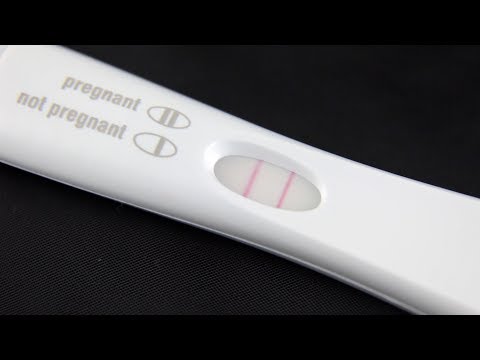
Pregnancy Symptoms Week By Week

Early Pregnancy Symptoms Before Missed Period

Early Pregnancy Symptoms Before Missed Period


Pill nowadays is the most popular pregnancy termination option. Medical Pill - is a method of in early pregnancy 6-7 weeks .TODAY Parents is the premiere destination for parenting news, advice community. Find the latest parenting trends and tips for your kids and family on TODAY.com..


Minggu, 19 Maret 2017

Pregnancy Symptoms Early Signs


Pregnancy Symptoms And Signs

Pregnancy Symptoms And Signs


Features What Are The Symptoms Of Diabetes Type 2 :: how can a diabetic lose weight - The 3 Step Trick that Reverses Diabetes Permanently in As Little as 11 Days..Symptom Checker. Health Concern On Your Mind? Reverse Diabetes Today Book ::The 3 Step Trick that Reverses Diabetes Permanently in As Little as 11 Days..TODAY Parents is the premiere destination for parenting news, advice community. Find the latest parenting trends and tips for your kids and family on TODAY.com..Symptom Checker. Health Concern On Your Mind? Diabetes Medications Made Easy Ppt 2014 ::The 3 Step Trick that Reverses Diabetes Permanently in As Little as 11 . Diabetes Symptoms In Women ::The 3 Step Trick that Reverses Diabetes Permanently in As Little as 11 Days.[ DIABETES SYMPTOMS IN WOMEN ] The REAL cause of .When cancer begins, it produces no symptoms. Signs and symptoms appear as the mass grows or ulcerates. The findings that result depend on the cancer's type and location..Features What Are Signs And Symptoms Of Diabetes :: sample meals for diabetics - The 3 Step Trick that Reverses Diabetes Permanently in As Little as 11 Days..Signs and Symptoms. People with ASD often have problems with social, emotional, and communication skills. They might repeat certain behaviors and might not want .


Pregnancy Pregnant Woman Stressed

Pregnancy Pregnant Woman Stressed

Pregnancy Trimesters

Pregnancy Trimesters


Features What Are Signs And Symptoms Of Diabetes :: sample meals for diabetics - The 3 Step Trick that Reverses Diabetes Permanently in As Little as 11 . Diabetes Symptoms In Women ::The 3 Step Trick that Reverses Diabetes Permanently in As Little as 11 Days.[ DIABETES SYMPTOMS IN WOMEN ] The .Features What Are The Symptoms Of Diabetes Type 2 :: how can a diabetic lose weight - The 3 Step Trick that Reverses Diabetes Permanently in As Little as 11 Days..Signs and Symptoms. People with ASD often have problems with social, emotional, and communication skills. They might repeat certain behaviors and might not want .Symptom Checker. Health Concern On Your Mind? Diabetes Medications Made Easy Ppt 2014 ::The 3 Step Trick that Reverses Diabetes Permanently in As Little as 11 .Symptom Checker. Health Concern On Your Mind? Reverse Diabetes Today Book ::The 3 Step Trick that Reverses Diabetes Permanently in As Little as 11 Days..TODAY Parents is the premiere destination for parenting news, advice community. Find the latest parenting trends and tips for your kids and family on TODAY.com..When cancer begins, it produces no symptoms. Signs and symptoms appear as the mass grows or ulcerates. The findings that result depend on the cancer's type and .


Kamis, 16 Maret 2017

When Do Pregnancy Symptoms Begin


Pregnancy Prenatal Yoga

Pregnancy Prenatal Yoga


Pregnancy Prenatal Yoga

Pregnancy Prenatal Yoga

Pregnant Un Birth Photoshop

Pregnant Un Birth Photoshop


Video embedded Learn the common early signs of pregnancy from WebMD. Skip to main content. So the fact that you notice some of these symptoms does not A woman can start .Video embedded Find out how early you may start to feel pregnancy symptoms and which signs of pregnancy Early signs of pregnancy: When will I feel symptoms don't begin .When do pregnancy symptoms start? The answer to that differs for every woman around. One woman might notice some of her pregnancy symptoms starting a week .Early pregnancy symptoms differ from woman to woman and pregnancy to pregnancy. is a pregnancy symptom which can also start as early as the first week after .Symptoms of pregnancy: What happens first. Do you know the If you're in your childbearing years and a week or more has passed without the start of an .When do pregnancy symptoms start? Menu. Parents. Follow. Facebook; Pinterest; Twitter; Instagram; Join/Login. Search. Not having pregnancy symptoms is not a .How early can pregnancy symptoms start in women under 18? The same as for anybody else! 2 weeks after is the earliest pregnancy symptoms would appear..You are here: Home - Pregnancy - Signs of Pregnancy When Do Pregnancy Symptoms Begin? by Katlyn Joy | February 19, one of the more common pregnancy symptoms.A Timeline of Early Pregnancy Symptoms. in particular your vascular system. During this stage of pregnancy, your heart may begin pumping faster and harder..How Soon Do Signs of Pregnancy Start? on . At around three to four weeks after conception, more obvious pregnancy symptoms should start to show up..


Senin, 06 Februari 2017

Neuropathy Symptoms And The Importance Of Speedy Diagnosis


Today's post from neuropathytreatment.co (see link below) has a title that is slightly misleading in that there is little mention of the importance of timely diagnosis. However, it is a very good summary of the main characteristics of neuropathy. It explains in simple terms what the different sorts of neuropathy are and is useful information for even the most experienced neuropathy patient.

Getting the Symptoms correct for Peripheral Neuropathy and a Timely diagnosis
MAY 5, 2013 BY WESLEY MILNE

Peripheral neuropathy is a chronic disorder generally characterized by numbness and pain in the hands and feet. The chronic pain is usually due to damage to the nerves of the peripheral nervous system. People report tingling or sometimes burning sensations due to neuropathy pain. It is important to note that neuropathy is not a fatal disease but it does affect the quality of life. The pain can make life complicated if it is accompanied by other diseases.

Symptoms of Peripheral Neuropathy

The symptoms of peripheral neuropathy are dependent on the type of nerves that have actually been affected. There are three types of nerves in the human body. They are:

1. Sensory nerves
2. Motor nerves
3. Autonomic nerves

Peripheral neuropathy may affect any of these nerves or a combination of them. The symptoms may also depend on the severity of the disorder.

Sensory Symptoms

The condition is referred to as sensory neuropathy if the nerves damaged are sensory nerves. The patients who suffer from sensory neuropathy often experience an odd tingling sensation in the hands as well as the feet. This tingling sensation is also followed by a sensation of numbness. The affected part of the body may lose the ability to feel any sensation including pain or discomfort. This generally occurs in the most severe cases of peripheral neuropathy.

The affected person may also be unable to feel cold or warmth. Thus, they may lose the ability to detect any changes in the temperature. The patients suffering from this disorder lose the ability to determine the exact position of their bodily joints. This loss of ability results in an overall loss of coordination in body parts that can be really disturbing.

Peripheral neuropathy also brings about intense burning pain in the feet and hands. This stabbing pain becomes intensified during night time. The parts of the body that are first affected by peripheral neuropathy are the hands and feet. This makes it difficult for the affected person to carry out a variety of activities. The loss of coordination of the joints as well as muscles only makes matters worse. Even walking becomes quite difficult. The person may not be able to hold or pick up objects from various places.

The symptoms of sensory neuropathy should be identified and treated on time. Otherwise, the symptoms may engulf the whole body of the affected person.

Motor Symptoms

If the nerves that are damaged are motor nerves, then this condition is known as motor neuropathy. The main thing that is affected in motor neuropathy is the stimulation of your muscles that is brought about by the motor nerves. This function is severely compromised in motor neuropathy. In addition to this, various other symptoms can occur in the different parts of the body. The muscles that are present all over the body may become weak due to this condition.

Because of the weakness in the muscles, the affected person may tend to fall down easily. He or she may also find it difficult to carry out simple activities. With this condition, even buttoning the shirt can become a difficult ordeal. The affected person may also experience some breathing problems. He or she may not be able to chew or swallow food and water. This occurs because of the fact that the muscles that are present around the throat or chest can become extremely weak.

The weakened muscles not only reduce the activity of the body parts but also give rise to some other problems. Lack of activity in the body parts result in the loss of muscular tissue from the body. This causes muscle wasting which is quite a grave problem. When the muscles and joints remain out of order for quite some time, then the person may get cramps.

Muscle twitching is also a very common symptom of motor neuropathy. In the most extreme cases of peripheral neuropathy, paralysis of the body muscles may occur. This may happen because the patient may not be able to move the body parts for a long period of time.

Autonomic Symptoms

Autonomic neuropathy occurs if the affected nerves are autonomic in nature. Fainting and dizziness are the most common symptoms of this kind of neuropathy. The affected person may have episodes of low blood pressure level which can have a drastic impact on the body. This happens because the body of the patient is unable to control the blood pressure.

Abnormalities can be found in the pulse rate also. Abnormality in sweating is common in patients who suffer from autonomic neuropathy. The affected person may also find it difficult to tolerate high temperatures. Peripheral neuropathy of this kind leads to incontinence in the patients since they no longer have control over their bladder.

Constipation and diarrhea are also very common in patients of autonomic neuropathy. Male patients of this neuropathy are unable to achieve erections. The saddest part is that autonomic neuropathy is most difficult to treat.

It is advisable to consult a doctor for neuropathy treatment when the symptoms of neuropathy occur. Patients who suffer from diabetes or high blood pressure should give special attention to these symptoms as the peripheral neuropathy is common in patients with these conditions.

...Timely Diagnosis

Most types of peripheral neuropathies are chronic disorders. This is why the disease may start with symptoms like occasional numbness of the feet and hands, tingling sensation in the limbs or very fine tremors of the hands. Unfortunately these symptoms may progress to a more debilitating form of peripheral neuropathy.


About Peripheral Neuropathy
Peripheral neuropathy is a large group of disorders. For correct and timely treatment of any type of peripheral neuropathy, immediate diagnosis of the pathology is extremely important. To reach the correct diagnoses of the peripheral neuropathy your physician may use some or all of the following diagnostic tools.

History: This is all about knowing and understanding the extent and nature of the problem. All information that a patient can give to his or her physician is included under the category of history. A good physician will likely to reach the cause of the disease by asking question about any recent exposure to toxic materials, unhygienic conditions, or a negative work environment.

Clinical Examination: The next stop for a neurophysician is the clinical examination. History and clinical examination are the two basic pillars of diagnosis. More than 80 percent of cases can be diagnosed correctly by history and physical exam only. Your physician may notice some characteristic features of a disease that will be suggestive of the final diagnosis.

Investigation: There are certain investigations that your physician may need before he can give you a definite diagnosis. CT scan, MRI and electromyography are priceless investigations for the correct diagnosis of peripheral neuropathy. Your physician can actually see the site of injury on these medical imageries that can greatly help in the provision of optimum treatment for the condition.

When you have been diagnosed with peripheral neuropathy, the physician will then recommend the most viable treatment strategy for your peripheral neuropathy.

Most Common Peripheral Neuropathy Treatments
Peripheral neuropathy treatment depends on the cause of the disorder. It is your physician’s responsibility to determine the cause of neuropathy. For example, if your neuropathy is caused by the diabetes, you will have to control your blood sugar levels. If the underlying cause is immune diseases, treating that said disease stops the symptoms of neuropathy.

Since peripheral neuropathy is associated with chronic pain, oral medicines and topical creams are used to alleviate it. Capsaicin in cream form can be purchased over the counter as an immediate solution to pain. Stronger oral medicines like antidepressants, antiseizure meds, and anticonvulsants are also prescribed for pain.

http://neuropathytreatment.co/getting-the-symptoms-correct-for-peripheral-neuropathy-and-a-timely-diagnosis/

Minggu, 11 Desember 2016

How important is Vitamin B in helping with neuropathy symptoms


This article concerning B vitamins, comes from The New York Buyers Club Blog.
This Blog is edited by staff, volunteers and members of the New York Buyers’ Club, claims to be a non-profit co-op and information exchange founded in 2004 to help people buy the supplements they need in order to manage their health and also find reliable information on how best to use supplements. Nevertheless, although there is no reason to doubt them, they are a commercial organisation which sells supplements. You need to make your own mind up as to how much validity you give their information. HOWEVER having said that, I have checked and double checked the scientific accuracy of their information regarding vitamin B12 and I can't find anyone who argues with what they say although the potential for improvement by using B12 supplements depends on the individual - the claims made here are very optimistic!


B-12 may play a very critical role in preventing HIV disease progression: a large Johns Hopkins University study found that people with HIV who are deficient in B-12 have a two-fold increased risk of progression to AIDS. In this study, those who were B-12 deficient progressed to AIDS four years faster than those who were not. The exact mechanism by which adequate B-12 in the body may slow progression is not known, but the finding is not surprising, given all the roles B-12 is known to play in healthy human function.

B12 and another B vitamin, folic acid, are critical to prevent or eliminate the often-overwhelming fatigue that so often accompanies HIV disease, as well as to help prevent some forms of neuropathy and brain and spinal cord changes. Maintaining adequate B12 levels also supports the bone marrow’s production of blood cells (crucial to prevent white and red blood cell decreases), and helps protect the heart.

There are countless anecdotal reports from people with HIV that using B-12 supplementation has dramatically improved their lives by its ability to reverse fatigue, often restoring normal energy to people who had previously been so exhausted that their daily functioning had been greatly affected. Many people have also reported significant improvements in memory and mental functioning, improvements that have made a huge difference in daily life. The possibility that B-12 supplementation might also help prevent or reverse the spinal cord changes that can have such devastating effects on some people is also very encouraging.

B-12 and folic acid should always be given together. Doses of B-12 (1000 mcg given daily via pills, or one to several times weekly via prescribable nasal gel or injections) and folic acid (800 mcg daily via pills) may be useful for restoring energy, treating neuropathy, protecting the heart, increasing overall feelings of well being, and boosting mental function (especially when combined with thiamin, niacin, and folic acid, since all four of these B vitamins are needed for normal neurological function) even when tests don’t indicate obvious deficiencies.

Deficiencies of B-12 can result in deterioration of mental function and neurologic damage that will yield such symptoms as memory loss, decreased reflexes, weakness, fatigue, disorientation, impaired pain perception, tinnitus (chronic ringing in the ears), neuropathy, burning tongue, and various psychiatric disorders. B-12 deficiency can also cause canker sores in the mouth, impaired bone marrow function, loss of appetite, and loss of weight, as well as impaired antibody responses to vaccines.

Folic acid deficiency can also cause fatigue and weakness, along with irritability, cramps, anemia, nausea, loss of appetite, diarrhea, hair loss, mouth and tongue pain, and neurological problems. In addition, folic acid deficiency is believed to play a role in the development of numerous and varied types of human cancers.

A combination of B-12 and folic acid deficiency can allow increases in blood levels of homocysteine, a chemical that can damage artery walls and contribute to heart disease.

One of the known causes of B12 deficiency is chronic viral illness with resulting poor gastrointestinal absorption. AZT use may contribute to deficiencies of both B-12 and folic acid. Many other drugs may worsen folate status in the body including TMP/SMX (Bactrim, Septra), pyrimethamine, and methotrexate (all three of which are folate antagonists), as well as phenytoin (Dilantin), various barbiturates, and alcohol (all of which block folate absorption). B-12 deficiency can also worsen folate levels in the body because B-12 is required to change folate into its active form.

NYBC members often supplement with B-right B complex and/or with Methylcobalamin, a form of B12 that is better absorbed by the body than other forms of B12.
http://nybc.wordpress.com/2011/05/28/1159/

Rabu, 16 November 2016

Organizer Chiropractic treatment for sciatica symptoms


Chiropractic treatment for sciatica symptoms will be certainly one of this article within the currently We understand within the checklist msn To provide you with vital knowledge to your readership we have attempted to locate any closest to relevance pics approximately Chiropractic treatment for sciatica symptoms And even these you may find out at present, all of these visuals had been regarded from your major useful resource.

Symptoms and treatment Performance Chiropractic Pain down the side of the thigh and calf that crosses over the top of Massage for Sciatica Nerve Pain - Oahu Spine & Rehab Sciatica Pain - Symptoms, Treatment & Exercises Portea Portea Blog  +Flossing Rose Chiropractic: Piriformis Syndrome Part III Treatment Just as it happens elsewhere in the body, the facet joints of the

These people are for sale to obtain, when you need together with choose to bring it press spend less badge within the webpage, and additionally it’ll come to be automatically downloaded as part of your notebook computer. As a final point if you want to gain new not to mention recent visual connected with Chiropractic treatment for sciatica symptoms , please follow us on google plus or bookmark this website, all of us try the greatest to provide you with every day revise with all new and fresh content. Really is endless you love some of our web-site.

Chiropractic treatment for sciatica symptoms - this has been posted when using the requirement designed to you can stimulate beneficial to any person. This text are able to help being useful resource if you end up unclear to find the best tutorial This Chiropractic treatment for sciatica symptoms discussions may perhaps be your foremost method to generally be employed on the procedure method, as it has its own plan will feel more satisfied Chiropractic treatment for sciatica symptoms - Worthwhile for your needs hence most people attempt to obtain an honest supplier which often will let you locate ideas with out distress. do not forget to bookmark this page, because maybe one day you will need it back mainly because an individual's inspirational recommendations.


Senin, 17 Oktober 2016

HIV And Marijuana For Pain Symptoms


Today's post from medireview.com (see link below) is another article looking at the benefits or not, of marijuana for people in pain. This one is slightly different in that it looks at myths and truths concerning marijuana and HIV as a whole and this of course includes people with HIV also living with neuropathy. That said, it's of interest to all people considering using marijuana to relieve their pain symptoms. As with all these articles (see alphabetical list to the right of the blog), the more information you have, the more likely you'll make the correct choice for yourself.


Debunking the top HIV/AIDS-medical marijuana myths 
Posted on October 28, 2013 by Tara-Michelle Ziniuk in Feature Story
 
People living with HIV/AIDS are not strangers to stigma. It’s been suggested that using medical marijuana would only increase the stigma they experience by also causing them to be seen as drug users. Medical marijuana users with HIV/AIDS have endured skepticism and been questioned on why they would need cannabis when “AIDS cocktails” and other treatments exist. And yet, studies conducted in North America have found that up to a third of people living with HIV/AIDS consume cannabis to help relieve their symptoms.

Canadians with HIV/AIDS have been granted access under the Marihuana Medical Access Regulations (MMAR) since 2001, yet obstacles to access continue today—the fear of stigma being amongst them.

Here, The Medical Marijuana Review looks at the top myths and truths about HIV/AIDS and medical marijuana.

Myth: Medical marijuana is bad for the immune system; people living with HIV/AIDS already have compromised immune systems, so they should not use it.

Truth: Research has debunked claims of harm to the immune system. A study conducted at San Francisco General Hospital found that AIDS patients using medical marijuana gained immune-system cells and kept their virus under control as well as patients who received a placebo. They also gained more needed weight.

Clinical trial data indicates that cannabis use does not adversely affect CD4 and CD8 T cell counts, and it may even improve immune function.

Myth:
People with HIV/AIDS are just looking for an excuse to use marijuana; there are no known benefits.

Truth: Smoked marijuana has been shown to be beneficial in the relief of nausea due to HIV medications, when prescription anti-nausea medications have failed.

One study found evidence that smoked marijuana can relieve the pain of peripheral neuropathy caused by certain HIV medications.

There has also been evidence that low doses of marijuana have helped people living with HIV/AIDS to fall asleep and sleep long and better. It’s also increased their appetite and helped with anxiety and depression, all of which are common in patients.

Clinical trials have found that cognitive functions are not affected at the suggested dose of smoked marijuana.

Myth: Better, more effective drugs exist for people living with HIV/AIDS. They do not need medical marijuana.

Antiretroviral treatments can be extremely effective at prohibiting the advancement of the disease, but they are also expensive and inconsistent, with a range of unpleasant side effects.

Antiretroviral drug therapy has had a profoundly positive effect on the prognosis of AIDS, but its serious side effects include nausea and loss of appetite, often leading to unhealthy weight loss and challenges with taking required medications. Cannabis can be used to increase appetite, improve overall mood, and manage pain and nausea.

One study has reported that patients who use cannabis therapeutically are over 3 times more likely to adhere to their antiretroviral therapy regimens than non-cannabis users.

Myth: People living with HIV/AIDS should not open themselves up to the increased stigma that comes with marijuana use.

Truth: Because of the social impact of the disease, people living with HIV/AIDS both in and outside of North America tend to experience discrimination and can be subject to isolation, potentially leading to depression. Medical marijuana is particularly useful for treatment as it has been proven to be a viable medical option for depression in addition to its other benefits.

Myth: There is no professional or legitimate support for people living with HIV/AIDS to use medical marijuana.

Truth:
AIDS Care has published support for medical marijuana use for people living with HIV/AIDS and is published by the National Library of Medicine and the National Institutes of Health in the United States. There is also support from the American Academy of HIV Medicine and the Canadian AIDS Society, an organization made up of over 125 AIDS service organizations.

AIDS Community Care of Montreal: http://accmontreal.org/

Canadian AIDS Society: http://www.cdnaids.ca

Fact sheets: http://www.cdnaids.ca/cannabisastherapyforpeoplelivingwit

http://medireview.com/2013/10/debunking-the-top-hivaids-medical-marijuana-myths/#.Uo-TO-LheSo

Rabu, 17 Agustus 2016

Temperature Changes Affect Neuropathy Symptoms


Today's short post from philadelphia.cbslocal.com (see link below) will confirm what many neuropathy patients suspect and that is that changes in the weather, especially sudden changes, can have a significant effect on their symptoms. It's pretty much a non-story really because everybody is affected by temperature changes to one extent or another but it's interesting to hear a doctor mention neuropathy (and other neurological conditions) as one of the diseases which is significantly affected by weather swings. Of course, winter weather flashes danger to all neuropathy sufferers, who have to become paranoid about balance and sensory issues in order to stay on their feet but every reader with nerve damage will be well aware of that! It also sounds pretty desperate but every media article that mentions neuropathy, helps with neuropathy awareness which despite the millions of sufferers, remains under the radar in medical exposure terms, so kudos to CBS!

Frigid Cold To Spring-Like: How Temperature Swings Affect Your Health
January 12, 2017 12:16 PM By Tim Jimenez

JENKINTOWN, Pa. (CBS) – Spring like temperatures in the region today which is a big swing from the frigid blast earlier this week. So, does the roller coaster on the thermometer mean you’re more likely to get sick?

Temperatures have gone from the deep freeze to April-esque and Dr. John Russell, Director of the Family Medicine Residency Program at Abington Hospital-Jefferson Health, says people with certain health conditions can feel worse with the shift.

“So, I certainly think, when the temperature changes, people who have orthopedic conditions, neurologic conditions will often feel worse,” Russell said. “People with arthritis. People with neuropathy. Migraines can sometimes be triggered by changes in the weather.”

However, Russell emphasizes that a short-term temperature jump does not necessarily mean you’re more likely to catch a cold.

“I don’t think a 60 degree temperature this week is suddenly gonna impact people’s health,” he said.

Russell, however, said a more significant change, from fall to winter, brings more potential for health problems.

“There are much higher death rates in January, February, March than other months of the year. Heart disease is higher. We certainly have more infectious disease. It’s flu season right now so more people are sick. People who have asthma, COPD, can have more bronchospasm from cold air. Certainly I think there are more extremes overall in cold weather than (warm) weather health-wise.”

And since it is flu season, Dr. Russell thinks a spring-like day may actually do some good.

“Most of the hospitals in the Delaware Valley are filled with patients,” he said. “I think a lot of that is different viral infectious diseases, including flu and RSV (Respiratory Syncytial Virus), so right now there are a lot of people sick. So, maybe getting outdoors and getting away from each other may not be a bad thing.”

And no matter what the temperature is…

“People should be getting their flu shot,” Russell said. “And when people are sick, washing your hands is very, very, very important. Hand washing I think can keep us all healthy. A lot of viruses can live on surfaces. Touching a door knob, an elevator button and things like that can be a way to transmit illnesses. I think that’s the biggest risk for ourselves.”

http://philadelphia.cbslocal.com/2017/01/12/frigid-cold-to-spring-like-how-temperature-swings-affect-your-health/