Tampilkan postingan dengan label Be. Tampilkan semua postingan

Selasa, 22 Agustus 2017

COULD READING GLASSES SOON BE A THING OF THE PAST


A thin ring inserted into the eye could soon offer a reading glasses-free remedy for presbyopia, the blurriness in near vision experienced by many people over the age of 40, according to a study released at AAO 2014, the 118th annual meeting of the American Academy of Ophthalmology. A corneal inlay device currently undergoing clinical review in the United States improved near vision well enough for 80 percent of the participating patients to read a newspaper without disturbing far distance vision needed for daily activities like driving.
Presbyopia affects more than 1 billion people worldwide.[1] As people age, the cornea becomes less flexible and bends in such a way that it becomes difficult to see up close. While the most common remedy is wearing reading glasses, a host of new corneal inlay products are in development to treat the condition, with three types currently under review by the U.S. Food and Drug Administration (FDA). The theoretical advantage of using corneal inlays over wearing reading glasses is that corneal inlays prevent the need for constantly putting on and taking off glasses, depending on whether the person needs to see near or far.
One of the devices is the KAMRA inlay, a thin, flexible doughnut-shaped ring that measures 3.8 millimeters in diameter, with a 1.6 millimeter hole in the middle. When dropped into a small pocket in the cornea covering the front of the eye, the device acts like a camera aperture, adjusting the depth of field so that the viewer can see near and far. The procedure to insert the implant is relatively quick, lasting about 10 minutes, and requires only topical anesthesia.
To test the inlay's efficacy, clinicians conducted a prospective non-randomized study of 507 patients between 45 and 60 years of age across the United States, Europe and Asia with presbyopia who were not nearsighted. The researchers implanted the ring in the patients and followed up with them over the course of three years. In 83 percent of eyes with the implant, the KAMRA corneal inlay allowed presbyopic patients to see with 20/40 vision or better over the three years. This is considered the standard for being able to read a newspaper or drive a vehicle without corrective lenses. On average, patients gained 2.9 lines on a reading chart. The researchers report that the results remained steady over a three-year period.
Complications from corneal inlays in general have included haziness that is treatable with steroids; however, improvements in inlay design have made the effect less common. If necessary, inlays can be removed, making it a reversible treatment, unlike other procedures such as LASIK for presbyopia.
"This is a solution that truly delivers near vision that transitions smoothly to far distance vision," said John Vukich, M.D., author of the poster and a clinical adjunct professor in ophthalmology and vision sciences at the University of Wisconsin, Madison. "Corneal inlays represent a great opportunity to improve vision with a safety net of removability."
The device is sold in regions including Asia, Europe and South America, but is not yet approved by the FDA for use in the United States. There are two other types of corneal inlays, Raindrop Near Vision Inlay and Presbia Flexivue Microlens, also in development for the U.S. market.

Minggu, 20 Agustus 2017

Quell Neurodevice For Nerve Pain Will It Be Any Good


Today's post from diabetesselfmanagement.com (see link below) anounces another electro-stimulant device designed to reduce neuropathic pain. Not quite on the market (later this year), it reflects the growing interest in electro-neurostimulation but it has to be said that so far, results from these sorts of devices have been patchy to say the least. Maybe this one will provide more people with a positive result. It's lightweight and wearable and can be tracked with a smart phone, so these things at least stand in its favour. Time will tell.


CES Dispatches: Pain-Relieving Device for Diabetic Neuropathy
January 6, 2015 by Diane Fennell


(Quell[TM] Wearable Pain Relief Device [Photo: Business Wire])

Quell, a device that can relieve chronic pain in people with conditions such as diabetes, sciatica, and fibromyalgia, was unveiled this week at the 2015 International Consumer Electronics Show (CES), taking place in Las Vegas from January 6–9.

Roughly 60% to 70% of people with diabetes have some form of the often painful condition neuropathy (nerve damage), according to the National Diabetes Information Clearinghouse, and surveys of people with diabetes reflect rates of chronic pain ranging from 20% to 60%.

Created by NeuroMetrix, Quell is lightweight, wearable device that uses noninvasive neurostimulation technology to reduce chronic pain. The device, which has been approved by the U.S. Food and Drug Administration (FDA) for use without a prescription, can be worn both during the day and at night, and users will have the option of using their smartphone to track and personalize their pain treatment.

“Recent studies have shown that chronic nerve pain dramatically reduces the quality of life in people with diabetes,” notes Shai N. Gozani, MD, PhD, President and Chief Executive Officer of NeuroMetrix. “We believe that Quell may help many of these people reclaim their life from chronic pain.”

Quell is expected to be available for purchase by consumers later this year.

For more information, see the press release from NeuroMetrix.

http://www.diabetesselfmanagement.com/blog/ces-dispatches-pain-relieving-device-diabetic-neuropathy/

Senin, 07 Agustus 2017

DRINKING DECAF OR REGULAR COFFEE MAY BE GOOD FOR THE LIVER


Researchers from the National Cancer Institute report that decaffeinated coffee drinking may benefit liver health. Results of the study published in Hepatology, a journal of the American Association for the Study of Liver Diseases, show that higher coffee consumption, regardless of caffeine content, was linked to lower levels of abnormal liver enzymes. This suggests that chemical compounds in coffee other than caffeine may help protect the liver

Coffee consumption is highly prevalent with more than half of all Americans over 18 drinking on average three cups each day according to a 2010 report from the National Coffee Association. Moreover, the International Coffee Association reports that coffee consumption has increased one percent each year since the 1980s, increasing to two percent in recent years. Previous studies found that coffee consumption may help lower the risk of developing diabetes, cardiovascular disease, non-alcoholic fatty liver disease, cirrhosis, and liver cancer.
"Prior research found that drinking coffee may have a possible protective effect on the liver. However, the evidence is not clear if that benefit may extend to decaffeinated coffee," explains lead researcher Dr. Qian Xiao from the National Cancer Institute in Bethesda, Maryland.
For the present study researchers used data from the U.S. National Health and Nutrition Examination Survey (NHANES, 1999-2010). The study population included 27,793 participants, 20 years of age or older, who provided coffee intake in a 24-hour period. The team measured blood levels of several markers of liver function, including aminotransferase (ALT), aminotransferase (AST), alkaline phosphatase (ALP) and gamma glutamyl transaminase (GGT) to determine liver health.
Participants who reported drinking three or more cups of coffee per day had lower levels of ALT, AST, ALP and GGT compared to those not consuming any coffee. Researchers also found low levels of these liver enzymes in participants drinking only decaffeinated coffee.
Dr. Xiao concludes, "Our findings link total and decaffeinated coffee intake to lower liver enzyme levels. These data suggest that ingredients in coffee, other than caffeine, may promote liver health. Further studies are needed to identify these components."


Kamis, 13 April 2017

Should Pain Still be Tolerated


Today's post is another short article from The Pain Web (see link below)by Dr.J.C.D. Wells. He talks about how pain has been managed in the past and how its control is still a matter of debate amongst doctors. The question posed is, whether it is ethical in the modern age to allow a patient to live with extreme pain. Is there ever any justification for ignoring the impairment of a patient's life due to pain? You may think it is a no-brainer but many health professionals are extremely reluctant to use the strongest pain suppressants.

There's No Excuse for Pain
Dr J C D Wells Liverpool, UK

Pain has been underestimated and under-treated for hundreds of years. Interestingly, this was not always the case - the physicians of Greece and Rome took pain seriously and used the same medications that we use today. However, in the 18th century we can see the prevailing attitude in Britain and Ireland was to ignore pain, with soldiers and sailors having a leg amputated with nothing more than a draught of alcohol and women being expected to suffer labour uncomplainingly. It was only when Queen Victoria requested anaesthesia for the birth of her child that obstetric analgesia became acceptable. Also, the anaesthetic movement came in then to protect patients from the negative effects of pain during surgery.

Little else happened for the next hundred years in the management of acute, chronic or cancer pain. Then the hospice movement in Britain started to progress ideas about managing cancer pain, and you have already heard how things have developed, and the situation today. Chronic pain started to be taken seriously at the same time and was managed by pioneers such as John Bonica in the USA and Sam Lipton in the UK. However, facilities were poor and the service was always under-funded.

In the '90s, Anaesthetists really began to take a strong interest in the management of acute pain. Acute pain teams have been set up all over the Western world. Management of post-operative pain is still patchy, but certainly better than it was. But what about the management of chronic pain?

There certainly seems no argument that pain has a negative physical and mental effect upon the sufferer. There are also social and behavioural changes which occur and which can lead to chronicity. How sad then that in everyday practice we see doctors and paramedical staff ignoring or belittling a patient's complaints of pain. For instance, every week I get a letter from a doctor who tells me that an elderly patient cannot have medication for his pain because it will "interfere" with the essential drugs that he is having to produce diuresis, lower his blood pressure, stabilise his heart and expand his lungs. What is the point of prolonging life if the patient is in constant pain? Is it ethical to prolong a painful life? It is certainly unethical in my opinion to under-treat people with chronic pain.

A wide variety of treatments are recommended for pain, and perhaps some of the reluctance to treat stems from a lack of clinical evidence. This can be hard to obtain. I would fully concur that it should be obtained but, in the meantime whilst it is being sought, I would decry the nihilistic attitude of those who state that we should do nothing.

The treatments being used need to be constantly appraised, modified and updated. Assessment of the patient, their underlying pathology and their complaint of pain is paramount. When this assessment has been made, treatments can be tailored to the patient's need.

There are many ethical problems in the management of pain. These include the decision to treat, the decision not to treat, the use of treatments which haven't as yet been proven to be effective and the use of drugs, such as epidural steroids and anticonvulsants, for unlicenced indications. However, if modern techniques are assessed as accurately as the Greek and Roman physicians evaluated poppy juice and willow bark 2000 years ago, the lot of the average pain sufferer can be greatly improved.

http://www.thepainweb.com/doclib/topics/000008.htm

Minggu, 09 April 2017

How Your Neuropathy May Be Diagnosed Vid


Today's video from mskcc.org (see link below) is produced by the memorial Sloan Kettering Cancer Center and is naturally aimed at chemotherapy patients who have suffered nerve damage due to the drugs. It goes on to explain how a diagnosis is made and what possible procedures are used to do that. However, the testing procedures apply to neuropathy from all causes and it is therefore a useful guide to what may happen during your diagnostic process whether you have cancer or not. However, mainly due to cost, most doctors will come to the conclusion that you have peripheral neuropathy long before the results of such tests are known and decide not to carry them out. This doesn't mean that they are neglecting you, it just means that they are making a reasoned diagnosis based on the evidence they already have. Thanks to the unique symptoms of neuropathy, your own story may well give them enough to go on and begin treatment.

Video: Diagnosing Chemotherapy-Induced
Peripheral Neuropathy

Memorial Sloan Kettering Cancer Center

Memorial Sloan Kettering occupational therapist Gabrielle Miskovitz explains that your doctor or therapist will first review your chemotherapy regimen, symptoms, and preexisting medical conditions to identify causes of peripheral neuropathy. Your specialist may then examine your skin for cuts and injuries, which can occur due to decreased sensitivity from neuropathy, and also evaluate your reaction to light touch, sensitivity to sharp and dull stimulation, finger muscle strength, reflexes, balance, and autonomic symptoms.

Some doctors recommend neurophysiologic tests such as electromyography, nerve conduction studies, and quantitative sensory tests to further examine peripheral nerve function, although findings from these tests do not always correspond with symptoms. Your doctor may also recommend laboratory and imaging tests to look for metabolic disturbances, nutritional deficiencies, and other possible causes of nerve damage.
Physical and occupational therapists may perform several additional tests to assess the impact of chemotherapy-induced peripheral neuropathy on your balance, stability, and fine motor skills. Based on this assessment, your therapists will help you determine your functional goals and select the appropriate therapy to reduce the risk of injury and improve your quality of life.


http://www.mskcc.org/videos/diagnosing-chemotherapy-induced-peripheral-neuropathy

Sabtu, 01 April 2017

Can Neuropathy Be Linked To The Herpes Virus


An earlier post about neuropathy and the herpes virus resulted in a few requests for further information. Today's post from askdrgottmd.com (see link below) discusses this further, though whether he really brings any new, scientific information to the table is debatable. Herpes is one of those viruses that  frequently appears amongst HIV + and LGBT people as a whole (the rest of the population too of course) and is often passed off as being relatively harmless, though intensely irritating. The fact is that the herpes virus is anything but harmless; is very easily passed on and can lead to all sorts of complications in other organs. Herpes Zoster is responsible for Shingles and here the links to nerved damage are easier to see. If there is a proven relationship between herpes and neuropathy, we need to know about it, so if anybody has further information, please pass it on.

Peripheral neuropathy, herpes linked?


DEAR DR. GOTT: Can herpes simplex II be the cause of peripheral neuropathy?

DEAR READER: Herpes simplex type 2 is a common sexually transmitted infection that generally affects the genitalia; however, the disorder can be spread to the mouth during oral sex. For women, the most common area to be affected is the cervix, anus, buttocks and external genitals. For men, the buttocks, anus, penis, scrotum, and thighs will most commonly be affected. The virus spreads easily through intimate contact with an individual who is infected; it can also be acquired by an act as simple as touching an infected razor.

Most of the individuals infected don’t even know they have the disorder because they either have extremely mild symptoms or none at all. When they are present, they can include pain or itching a week or two following exposure from an infected partner. Following initial exposure, pain and irritation may occur a few days before another outbreak. Blisters or small red bumps may appear and then rupture, ooze and bleed. The lesions will ultimately scab over and heal. Following the initial infection, the virus will lie dormant in the body but can reactivate several times a year thereafter.

There is no means of eliminating the virus from the body; however, the religious use of condoms and prescription medication will lessen the possibility of further spread of the virus.

Now, on to peripheral neuropathy that results from nerve damage, traumatic injury, toxin exposure, certain diseases, and infection. The peripheral nervous system sends information from the brain and central nervous system throughout the body, affecting one or more nerves. This can result in muscle weakness, burning pain, numbness, or a tingling sensation in the hands, feet, legs and arms.

There are a number of possibilities for peripheral neuropathy to occur, such as a history of diabetes, traumatic injury, kidney disease, vitamin deficiencies; autoimmune diseases such as rheumatoid arthritis, lupus and Guillain-Barre syndrome; specific infections to include hepatitis C, HIV/AIDs, Epstein-Barr virus, Lyme disease, varicella-zoster; exposure to heavy metals and some medications – particularly those used to treat cancer, and more. Under certain circumstances, if the correct nerve is affected, the various herpes viruses has been linked to peripheral neuropathy symptoms; however, how common this is, is not known.

Symptoms of peripheral neuropathy can be treated with over-the-counter medications, capsaicin a substance commonly found in hot peppers, prescription anti-seizure medications patches with topical anesthetic, and antidepressants.

On the home front, those with peripheral neuropathy should be extremely diligent in caring for blisters and other wounds of the affected area, they should massage their extremities in an attempt to improve circulation, review their diet to be assured it includes fresh fruits/vegetables/while grains, and quit smoking. Some sufferers have found relief in rubbing mentholated chest rub on the affected areas once or twice a day.

http://askdrgottmd.com/peripheral-neuropathy-herpes-linked/

Senin, 27 Maret 2017

Are Neuropathy Patients Likely To Be Heavy Smokers Or Vice Versa


Today's post from medscape.com (see link below) seems not to be sure on which side of the fence it sits. The statistics show that far more people with nerve pain smoke heavily than those with nociceptive pain (pain caused by injury and external factors). The article seems to suggest a link between the light analgesic qualities of tobacco/nicotine and that pattern - as if to say that nerve pain patients use cigarettes as a mild pain killer. Yet it is patently clear that the harmful effects of nicotine far outweigh the benefits so it is doubtful that patients consciously make the choice to smoke to chemically ease their pain. Is it not more likely that people with nerve pain are so stressed out by the nature of their symptoms that cigarettes perform their traditional role of 'comforter' in much the same way that over-eating and over-drinking do? The vast majority of neuropathy articles also point to smoking as a cause of neuropathy, so where does that leave us? Whatever the truth, the fact remains that there are more heavy smokers among neuropathy sufferers than those with other forms of pain - the question remains as to why!


People With Neuropathic Pain Twice as Likely to Smoke Cigarettes
Stephanie Doyle February 18, 2008

February 18, 2008 (Kissimmee, Florida) — Results of a new study suggest that people with chronic neuropathic pain are twice as likely to smoke cigarettes as those who have chronic nociceptive pain.

The study, led by Toby N. Weingarten, MD, from the Mayo Clinic College of Medicine in Rochester, Minnesota, showed that of the 205 smokers who participated in the study, 62% had been diagnosed with neuropathic pain, whereas only 33% had been diagnosed with nociceptive pain.

"To us that is surprising — we were surprised that smoking would influence what type of pain smokers had," Dr. Weingarten told Medscape Neurology and Neurosurgery.

The results were presented here at the American Academy of Pain Medicine 24th Annual Meeting.

Poor Response to Medications

Nociceptive pain is the common discomfort experienced as a result of injury, such as a broken bone or appendicitis. Neuropathic pain is associated with injury to a nerve or the central nervous system. Such injuries can give rise to paresthesias, such as numbness, tingling, or electrical sensations.

Nociceptive pain typically responds to anti-inflammatory agents and opiates, whereas neuropathic pain often responds poorly to such medications.

In the current study, the authors aimed to determine the percentage of community subjects with chronic neuropathic pain who smoke. Subjects were recruited from a large population-based study to assess the prevalence of chronic pain.

These adults had self-reported neuropathic pain, were identified from patient charts as having neuropathic pain, or had a positive score on the self-administered Leeds Assessment of Neuropathic Symptoms and Signs (S-LANSS), a tool designed to identify patients with neuropathic pain. They also self-reported current smoking status.

The percentage of participants confirmed as having neuropathic pain by clinical assessment who also smoked was 21%, compared with 13% in the overall sample (P = .009). Smoking was twice as common (62% vs 33%) in subjects who were diagnosed by clinical assessment as having neuropathic pain as nociceptive pain.

The percentages of those who smoked varied by positivity on screening tests for neuropathic pain: 18% for a positive S-LANSS score, 12% with self-reported neuropathic pain, and 8% of those with select ICD-9-CM codes from patient charts.

"The possible physiologic relation between smoking and development of chronic neuropathic pain deserves further evaluation," the authors conclude.

Not Advocating Smoking

"This study is intriguing," said Todd Sitzman, MD, MPH, president of the American Academy of Pain Medicine. "Clinical studies have shown a modest analgesic effect from nicotine. Although there is an association between nicotine and neuropathic pain, there is no direct causative effect."

However, Dr. Sitzman, who was not involved with the study, told Medscape Neurology and Neurosurgery: "I caution advocating smoking as a perceived treatment for neuropathic pain, since it is clear that the adverse risks of smoking outweigh any potential benefit."

Funding was provided by AstraZeneca and the National Institutes of Health. Dr. Weingarten has disclosed no relevant financial relationships.

American Academy of Pain Medicine (AAPM) 24th Annual Meeting: Abstract 100.

Medscape Medical News © 2008

http://www.medscape.com/viewarticle/570347

Sabtu, 11 Februari 2017

Will Nabilone Prove To Be A Nerve Pain Solution


 Today's post from stonehearthnewsletters.com (see link below) talks about a Canadian discovery, concerning a drug used there to calm feelings of nausea when undergoing chemotherapy. The drug, Nabilone, was tested on 60 diabetic neuropathy patients in the hope of helping with their nerve pain problems. There seemed to be a high rate of success although 60 test cases can hardly be regarded as definitive evidence. However, it strengthens the case for further investigation of Nabilone and other synthetic cannabinoids  that may control neuropathy pain (see earlier post here). Hopefully it will give doctors other options to consider in the future.

Diabetic neuropathy: a new drug, nabilone, on the horizon
Posted on November 1, 2012 by Stone Hearth News

A study from the University of Calgary’s Hotchkiss Brain Institute shows there is evidence to support a new drug therapy called nabilone to treat diabetic neuropathy, or nerve pain. Researchers enrolled 60 patients with diabetic neuropathy in a 12-week placebo controlled clinical study. At the end of the study, patients reported less pain and an improvement in sleep and anxiety when taking nabilone as compared to the placebo.

“This is a good option to help treat nerve pain due to diabetes, with very few side effects,” says Dr. Cory Toth, a neurologist and the study’s lead researcher. Toth is a member of the University of Calgary’s Hotchkiss Brain Institute, Department of Clinical Neurosciences and is the research director of the Calgary Chronic Pain Centre Clinic.

The medication used in the study has the generic name nabilone, and is currently used in Canada to treat nausea in chemotherapy patients. This study gives doctors more evidence to support its prescription for treating neuropathy pain in diabetics. Nabilone is a synthetic cannabinoid, which mimics some of the chemical compounds of cannabis, or marijuana. It is approved for use by Health Canada and the FDA.

This study is a further demonstration of the potential medical benefits of cannabinoids in a difficult pain condition. Dr. Toth and his team have conducted a solid trial which, although small, validates our clinical experience. This study gives physicians support to consider further options in treating this devastating chronic pain disorder,” says Dr. Mark Ware, Associate Professor at the McGill University Health Centre.

Type 2 diabetes is exploding at epidemic rates over the world, and Canada is no exception. Recent studies show that type 2 diabetes is present in close to 10 per cent of Canadian adults and growing at faster than predicted rates.

Diabetic neuropathy is damage caused to the nerves, which results in numbness, tingling, burning and pain. About half of all diabetics suffer from diabetic neuropathy, and about half of this group experiences extreme pain, sleep disturbances, and difficulties walking.

Leslie Bonenfant knows firsthand the pain associated with diabetic neuropathy. She was diagnosed with type 2 diabetes five years ago. Having participated in the study, she experienced positive results, “My pain was so severe that I could barely walk a block. After taking nabilone I can manage my pain and I can function day to day,” say says.

The study was published in the October issue of the medical journal Pain. It was funded by a grant from Valeant Canada.


http://www.stonehearthnewsletters.com/diabetic-neuropathy-a-new-drug-nabilone-on-the-horizon/updates/

Sabtu, 07 Januari 2017

Can Scrambler Therapy Be A Successful Answer To Nerve Pain


Today's post from foundationforpn.org (see link below) and written by two oncologists looks at one of the most popular new electronic impulse devices for reducing nerve pain - the Scrambler therapy. Their only motive for using this technique that sends non-pain signals along the same nerves that pain signals travel (different to TENS therapy) seems to be in trying to attain some relief for their patients who have neuropathy through chemotherapy treatment. In their own small-scale trials, they achieved significant success using the Scrambler technique. The point is, that in these days when drug treatments for nerve pain have such a bad press, everybody is looking for the best possible, non-drug and non-invasive treatment. Scrambler therapy may just be such a workable option in the future. The problem is, as so often, the cost. The machines are expensive but I would suggest that the cost of a Scrambler machine is far outweighed by the cost of a life long treatment with drugs and medical services for your typical patient with severe neuropathy. Scrambler therapy already exists, so further trials and research on larger groups seem to me a no-brainer. That said, other electrical implant therapies for nerve pain have been shown to be less than consistent in their results but then again, you could say that for every single neuropathy treatment you can imagine!


Scrambler Therapy for Treating Neuropathic Pain
December 9, 2016 by Dr. Thomas Smith and Dr. Charles Loprinzi
 

What is neuropathic pain, from the non-expert oncologist’s point of view?

The way we think of it, pain is about the most protective instinct and impulse known to humans! If you touch a hot plate, you retract your hand even before you actually feel the pain. Then, the pain comes – very localized – such that you can plunge the hand into cold water. After that, usually the pain goes away and you can then blame your son-in-law for leaving the hot plate on. But sometimes, the pain signal gets stuck in the “on” position, even though your hand has healed. There has been some damage to the nerve endings, and they are continuing to send the “pain” impulse when it is not doing you any good. The pain pathways in the spinal cord and the brain actually get bigger and more active; neurologists call this “wind-up.”

Pain has come to the attention of most oncologists because we CAUSE it with chemotherapy agents; we call it chemotherapy induced peripheral neuropathy (CIPN).

For the unfortunate 40-70% of chemo patients who get CIPN, it can range from being a nuisance to being life-destroying. Our patients describe constant burning or pins-and-needles pain, with numbness and tingling. It starts in the longest nerves that go to the hands and feet first, then progresses upstream. For many people it is just an inconvenience, and goes away in between chemo cycles and abates after treatment. But for others it persists, for years.

Preventing or treating CIPN has been frustrating. We both were part of the American Society of Clinical Oncology panel that made national clinical practice guidelines for CIPN. There are no drugs proven to prevent it, and alpha-lipoic acid, Vitamin A, natural products, L-carnitine – things that help in other neuropathies – were no better than placebo. Only one drug is proven to help, duloxetine (Cymbalta), with a reduction in pain of about 1 point on a 10 point scale.

Of course, there are other neuropathic pains that oncologists know all too well. The pain from a pinched nerve leaving a collapsed or damaged vertebra, shooting down the leg. The pain after shingles, “post-herpetic neuropathy” that can last for years. The pain after chest surgery, or mastectomy, or radiation.


What is Scrambler Therapy, and How Does it Work?

Scrambler Therapy (marketed as Calmare™ therapy in the United States) is a new type of pain relief that uses a rapidly changing electrical impulse to send a “non-pain” signal along the same pain fibers that are sending the “pain” stimulus. We got interested in Scrambler Therapy because we thought it MIGHT help CIPN patients, and Scrambler Therapy appeared to be non-toxic. It had been cleared for safety by the FDA in 2009.

We were skeptical, but we did a trial of Scrambler Therapy. We treated 16 patients with refractory CIPN (present for at least 6 months, and refractory to medications); the group had a 60% reduction in their CIPN pain – in 10 days of treatment. Of the 16 patients we treated, essentially all reported some benefit, including 4 whose pain resolved to “0.” Function improved in most patients including less interference with walking and sleeping, for at least 3 months.

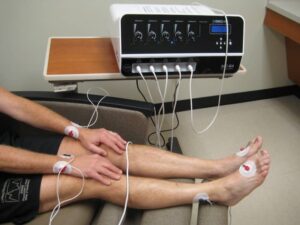
The setup is simple as shown in Figure 1 (Tom Smith’s legs). EKG electrodes are used to transmit the electrical impulses from a colored electrode to a black one, back and forth. The treatment is given for 30-45 minutes for up to 10 days in a row (excluding weekends). Our patients report a feeling like being bitten by electrical ants, or bee-stings. If the treatment is working, the sensation will change to a “hum” in the nerve and go to the ends of the nerve. We have to start above the painful area – remember, we are trying to replace the pain with a “non-pain” stimulus, and sometimes can work progressively down the legs and arms as pain relief occurs.


Figure 1: A typical setup to treat “stocking and glove neuropathy”

Colleagues at Mayo Clinic were skeptical and repeated the study in a larger group of people with CIPN. Pachman, Loprinzi and colleagues at Mayo reported about a 50% reduction in pain, numbness and tingling lasting at least 3 months. Of note, there appeared to be a learning curve, with the later patients getting better and longer lasting pain relief.

We will be the first to note that Scrambler Therapy lacks the “Good Housekeeping Seal of Approval” of cancer treatments – the well-designed, large, high statistical power, randomized controlled trial. We are both doing randomized trials, comparing Scrambler Therapy to “sham” (electrodes in the wrong place” and to TENS (trans-cutaneous electrical stimulation).

That said, we are interested in treatments that might work and don’t cause side effects. A recent review of at least 20 scientific reports noted no harm in any trial, with most reporting a substantial relief of pain. The two randomized trials comparing “sham” to real Scrambler Therapy showed a 50% reduction in low back pain, and a 91% reduction in pain from failed back syndrome, post herpetic neuropathy, and spinal cord stenosis. In all the trials, pain relief – if it happened – was obvious in the first 3 days, continued to get better, and usually lasted several months. There are additional reports of Scrambler Therapy having success in cancer somatic pain including bone and visceral metastases, complex regional pain syndrome, pediatric cancer chest wall pain, and others (see list below). The US Military has 17 Scrambler Therapy machines for treating both wounded warriors and civilians.

Some types of pain for which Scrambler Therapy has been used
Pancreas and abdominal cancer pain
Chemotherapy induced peripheral neuropathy
Non cancer pain such as neuropathic back pain
Post-herpetic pain (shingles pain)
Bone metastases
Spinal cord stenosis
“Failed back syndrome” – after surgery, the back hurts worse
Complex regional pain syndrome
Post-mastectomy pain 


Is Scrambler Therapy Related to Anything Similar?

Scrambler Therapy looks superficially likes TENS therapy. TENS applies similar electrodes on the skin and passes a pulse of electrical current between them. TENS is a completely different type of on-off current, and, classically, the effect wears off as soon as the electrodes are removed. When Scrambler Therapy works, it seems to reset or reboot the system for an extended period of time.

Spinal cord stimulation appears to have a same effect on pain that Scrambler Therapy appears to have. However, it involves putting electrodes on the spinal cord, and implantation of a pulse generator, similar to a pacemaker. It is also expensive – typically near $100,000 for a trial, then surgery and the equipment. It can last for years.


Is Scrambler Therapy Covered by Insurance?

Quick answer, no, not very well yet. They are waiting for more traditional evidence (unlike the U S Military!) Some places are doing it for free on the clinical trials listed on clinicaltrials.gov. There is a list of certified centers on the Calmare website. An increasing number of insurers are paying for Scrambler if the person and their doctor appeals with lots of evidence from the trials above.

The machines themselves are expensive ($105,000 was the last quote we got) but can be used for a new person each hour, and last for years. The electrodes cost $4-15 dollars per person for a course of treatment. A person with training can do the treatment supervised by a physician with knowledge of the nervous system.


What research needs to be done before Scrambler Therapy is proven effective, and reimbursed if it is?

We have been using Scrambler Therapy routinely at our centers, and believe there is benefit to some patients. At the same time, we are humbled by the many therapies that have shown promise in phase II trials only to be no better than placebo or sham in Phase III trials. We need bigger randomized trials, sponsored by the NIH or someone who is not trying to sell the machines.

Dr. Thomas Smith is the Director of Palliative Medicine, Harry J. Duffey Family Professor of Palliative Medicine, Johns Hopkins Sidney Kimmel Comprehensive Cancer Center

Dr. Charles Loprinzi is Regis Professor of Breast Cancer Research, Mayo Clinic

https://www.foundationforpn.org/2016/12/09/scrambler-therapy-for-treating-neuropathic-pain/

Rabu, 28 Desember 2016

TICKLING YOUR EAR COULD BE GOOD FOR YOUR HEART


Stimulating nerves in your ear could improve the health of your heart, researchers have discovered. A team at the University of Leeds used a standard TENS machine like those designed to relieve labour pains to apply electrical pulses to the tragus, the small raised flap at the front of the ear immediately in front of the ear canal.

The stimulation changed the influence of the nervous system on the heart by reducing the nervous signals that can drive failing hearts too hard.

Professor Jim Deuchars, Professor of Systems Neuroscience in the University of Leeds' Faculty of Biological Sciences, said: "You feel a bit of a tickling sensation in your ear when the TENS machine is on, but it is painless. It is early days -- so far we have been testing this on healthy subjects -- but we think it does have potential to improve the health of the heart and might even become part of the treatment for heart failure."

The researchers applied electrodes to the ears of 34 healthy people and switched on the TENS (Transcutaneous electrical nerve stimulation) machines for 15-minute sessions. They monitored the variability of subjects' heartbeats and the activity of the part of the nervous system that drives the heart. Monitoring continued for 15 minutes after the TENS machine was switched off.

Lead researcher Dr Jennifer Clancy, of the University of Leeds' School of Biomedical Sciences, said: "The first positive effect we observed was increased variability in subjects' heartbeats. A healthy heart does not beat like a metronome. It is continually interacting with its environment -- getting a little bit faster or a bit slower depending on the demands on it. An unhealthy heart is more like a machine constantly banging out the same beat. We found that when you stimulate this nerve you get about a 20% increase in heart rate variability."

The second positive effect was in suppressing the sympathetic nervous system, which drives heart activity using adrenaline.
Dr Clancy said: "We measured the nerve activity directly and found that it reduced by about 50% when we stimulated the ear. This is important because if you have heart disease or heart failure, you tend to have increased sympathetic activity. This drives your heart to work hard, constricts your arteries and causes damage. A lot of treatments for heart failure try to stop that sympathetic activity -- beta-blockers, for instance, block the action of the hormones that implement these signals. Using the TENS, we saw a reduction of the nervous activity itself."

The researchers found significant residual effects, with neither heart rate variability or sympathetic nerve activity returning to the baseline 15 minutes after the TENS machine had been switched off.
The technique works by stimulating a major nerve called the vagus, which has an important role in regulating vital organs such as the heart. There is a sensory branch of the vagus in the outer ear and, by sending electrical current down the nerves and into the brain, researchers were able to influence outflows from the brain that regulate the heart. Vagal nerve stimulation has previously been used to treat conditions including epilepsy.

Professor Deuchars said: "We now need to understand how big and how lasting the residual effect on the heart is and whether this can help patients with heart problems, probably alongside their usual treatments. The next stage will be to conduct a pre-clinical study in heart failure patients."

Minggu, 18 Desember 2016

Nerve Damage Complications From Diabetes Mustnt Be Underestimated


Today's post from tudiabetes.org (see link below) is the story of a diabetes patient living with neuropathy (amongst other things) who is forced to lose a toe and it offers a salutary lesson in the consequences of certain life choices. The important thing is to avoid becoming diabetic in the first place but hey, that's easier said than done. Can't preach here but sometimes reading someone else's account of their medical history can shake you up a little and maybe persuade you to change a few things to make your health picture a little less alarming. The risk of losing parts of your feet due to neuropathic complications is all too real for some patients.


This little piggy
Roger212 Aug 3rd 2016

Diabetes Complications and other Conditions

I have never been a 'good' diabetic. Compliance with rules is just not in my nature. I was diagnosed in 1967, at the age of 18, after I had gone into hospital
for a relatively minor surgery. Two weeks after that diagnosis, I was
launched back into the world, scared and not completely sure of what
came next. The nurses had taught me all about doing injections, and I
had a shiny glass syringe and a box of one-time use needles. I also
had a diet booklet from the dietician, prescribing a 2,000 calorie
diet. Two thousand calories? Come on, I was a teenager. I ate 2,000
calories for breakfast.

Diabetes ended my plans for a military career, but I had finishing high school and getting into University to worry about, so I took my 16 units of Lente
insulin daily, avoided sweets and did pretty much what I wanted. In
those days we couldn't test for blood sugar, so we had to test for
urine sugar until the 90s. My tests always showed 4% or higher, the
highest a test could go. I saw my GPs mostly, although once in a
while they would send me to hospital for “stabilization.”

In my thirties I went through a period of heavy drinking. I don't know if it's coincidence, but it was at this time I lost the sight in my left eye. I went back
and forth between the right eye and the left eye for a few years, but
was blind in both eyes for only a week. I recovered most of my
eyesight through laser and a couple of actual eye surgeries, and a
very, very good ophthalmologist. This cost me a job, as my company
decided “your position is no longer required.” Yeah.


Skip ahead a few years, and I'm in my fifties, now equipped with human insulin and a blood glucose meter. My blood glucose management is better, but still not
good. In around 2005, I had my first foot infection. It involved my
left big toe and first toe, and they turned black. Due to the good
offices of the surgeon my GP sent me to, These toes recovered nicely,
and in six months or so looked as if they had never had a problem.

For several years I had recurring infections in toes on both feet. The usual course of events was that my toe or toes would turn black, and after antibiotics and frequent dressing changes they would slowly recover. I quickly knew
all of the staff at the wound clinic by their first names, and they
treated me wonderfully, and still do today.

So, at this point I had racked up neuropathy, nephropathy, retinopathy, cataracts, heart disease, a strange condition that gives me vertical double vision, mild liver and kidney problems, and arthritis. That last one may not
be due to diabetes, as it runs in my family. Oh! Oddly enough, I
suffer from depression, although I am medicated and able to hold it
at bay, but I don't smile much.

My last toe problem occurred in 2013 on a trip, at Heathrow airport. I was travelling with my daughter who was on a business trip to Paris and London. She noticed blood on the floor when I came out of the bathroom in the
morning. My right big toenail had become detached, and we dealt with
it with some bandaids my daughter had, and bought some supplies when
we got to Paris. I limped through the rest of the trip, and got back
to the wound clinic, where the doctor saved me again.
I continued to go to the wound clinic monthly for medical pedicures. They handed that job off to a podiatrist who shares office space with the clinic. At one of these pedicures, in March this year, the podiatrist discovered a
sore on the end of my middle right toe.

So now it was back to the wound clinic for antibiotics and dressing changes. After two months, I brought up the possibility of an amputation, as we seemed to be getting nowhere with the toe. Furthermore, I was having considerable
pain from the toe. The doctor wanted to wait awhile, but in June
X-rays revealed that the bones in the toe were fully infected. So we
agreed on an amputation, and set the following Wednesday, June 22, as
the date.

I had thought the process of amputation would require some fanfare – a hospital stay, hospital food, pretty nurses, all that. However, it was done in the
clinic, on the same cot I lie on for dressing changes or pedicures.
The doctor took off the dressing, wiped the toe down and gave me some
local anaesthetic. Then, while we chatted back and forth, he
cheerfully removed the toe. No pain, no fuss. I saw the toe go into a
specimen jar, and called out, “Wait, wait! I've changed my mind!”

The doctor said, “Ya want me to put it back? Too late!” and we all had a laugh. They are used to me at the clinic. In a matter of minutes the wound was
bandaged, and I walked out of the clinic with a note to come back at
7:30 the following morning. I had walked into the clinic at 7:25, and
walked out at 7:50, less one toe, but the pain from the toe was gone,
and stayed gone.

Along with my family and friends we came up with a bunch of jokes about only being able to count to 19, having difficulty playing “This little piggy.” After
all, do you drop the one that had roast beef, or the one that had
none, or go to the fourth toe and say “This little piggy had tofu,”
because then the next little piggy wouldn't want any, and could go
“Wee, wee...” oh, never mind!

All jokes aside, it isn't easy to give up a toe. It seems like a small thing, and I recognized the necessity, but when it got down to the crunch, I felt saddened. I
have known for fifty years that something like this could happen.
Thank God that I have made it this far without going blind, as has
happened to people I know. I also know people who have lost legs.
Some of those have subsequently lost their lives, so I know it could
be worse, and could get worse. But as I mentioned, I suffer from
depression, and am beginning to do a lot of sitting around with time
to think.

The wound appears to be healing well, and it seems by mid August it will be healed. This
should allow me to return to my activities such as woodwork,
swimming, walking and maybe even riding my bicycle, but two weeks ago
the doctor showed me X-rays that show the second toe is infected in
the bone, and therefore must go, too. So, the piggy that stayed at
home is to be evicted.


This did not improve my mood. It puts my recovery off until late September, and cancels any thoughts I may have had of doing much this summer. I spent a week with my daughter recently, and had to do my own dressing changes,
which is something I am unwilling to repeat. I should be able to
dance at my daughter's wedding on October 1 if nothing else goes
awry. I thought at one time that removing the toe would be the end of
the problem for now, but of course that is not true. I now have to
deal with the possibility of losing half a foot, and after that, half
my lower leg.


I try not to sit around dwelling on the problem or its infinite possibilities. There are things I can do, and I do them. I am trying to be careful about my
bgs, and waiting for the day when the doctor says, “There, Roger!
You're all healed. You don't have to come back here any more.” That
will be the best present I could have.

I said at the outset that I have not been a 'good' diabetic, but I'm still here after 50 years.

I know I have done things wrong during the course of this whole
thing, and I don't need to hear about it. The thing a diabetic
doesn't need to hear when faced with complications is, “You could
have prevented this if....” This is just my experience of losing a
toe. Whether you see it as inspiration or cautionary tale is up to
you. I hope you have gained something from it.

LATE BREAKING NEWS!

Just before submitting this, I saw the doctor at the clinic, and he thinks my second toe may get better, so we are holding off removing it until it gets a chance to improve. So, the second piggy has a stay of execution. We'll wait
and see.

Roger N. Tulk (Roger212)
 
http://www.tudiabetes.org/forum/t/this-little-piggy/55179


Rabu, 23 November 2016

In The Mind Or In The Brain Is Your Nerve Pain Worse Than It Should Be


Today's post from painscience.com (see link below) is really addressed at doctors and other health professionals who are treating patients with chronic pain but it's safe to assume that those patients themselves will gain a tremendous amount of insight into their own problems by reading this article. If any patient knows about misleading pain signals, it's the nerve pain patient and the ideas about central sensitization that this article expounds are directly relevant to neuropathy sufferers. Understanding how your own pain experience works will give you a heads up into how better to deal with it. How do we know if our pain is worse because the pain signals say it is and even perversely promote further pain? We don't is the answer but accepting the very idea, will help us psychologically  create coping strategies. Yep, mind over matter is a cliche but if we can identify when the pain is worse than it should be, then we just may be able to reduce it ourselves without taking yet more pills. You need to read the article to get the gist but don't worry, it's readable and relevant and you won't be bogged down in scientific jargon.

Central Sensitization in Chronic Pain
by Paul Ingraham, Vancouver, Canada bio updated November 17 2016 (first published 2011)
 

Pain itself can change how pain works, resulting in more pain with less provocation

Pain itself often modifies the way the central nervous system works, so that a patient actually becomes more sensitive and gets more pain with less provocation. That sensitization is called “central sensitization” because it involves changes in the central nervous system (CNS) in particular — the brain and the spinal cord. Sensitized patients are not only more sensitive to things that should hurt, but also to ordinary touch and pressure as well, which obviously should not hurt. Their pain also “echoes,” fading more slowly than in other people.


This first section is a direct jargon-to-English translation of an important scientific paper by Clifford Woolf, a rock star of a pain researcher, published in Pain in Oct 2010. Everyone needs to know this: it’s owner’s manual stuff. After the translation, I offer some of my own ideas about what it all means for patients and professionals.

In more serious cases, the extreme over-sensitivity is obvious. But in mild cases — which are probably quite common — patients cannot really be sure that pain is actually worse than it “should” be, because there is nothing to compare it to except their own memories of pain.

This rather awful thing is actually quite easy to create in the lab, like a mad scientist’s monster. Any kind of noxious stimuli can trigger the change — anything that hurts skin, muscles or organs — and it can be reliably detected with special equipment. The role of sensitization in several common diseases12 has been proven and well-documented, and may in particular be provoked by (common) muscle pain.3 It can also persist and worsen in the absence without apparent provocation. This rather awful thing is actually quite easy to create in the lab, like a mad scientist’s monster.

Indeed, this neurological meltdown is such a consistent complication of other painful problems that some researchers now believe central sensitization is actually a major common denominator in most difficult pain problems. That is, it may be the nearly universal factor that puts the “chronic” in chronic pain, giving all such problems shared characteristics regardless of how it got started — not the cause of the pain, but perhaps the cause of its chronicity.

The existence of central sensitization is quite well established. What is still unknown is why it happens to some people and not others. Both environment and genetics are probably factors — aren’t they always? — but which genes, and what things in the environment? We just do not know yet.

Another unfortunate gap in our scientific knowledge is that there are no clear criteria for diagnosing central sensitization. There is no easy lab test or checklist that can confirm it.4 It could be present in nearly any difficult case of chronic pain, but it’s not a sure thing — the pain could still be coming from a continuing problem in the tissue, with or without central sensitization muddying the waters.
Hallucinating pain

One easy way to understand central sensitization is that it causes pain hallucinations: a bogus perception, but instead of seeing lizards on the walls, you feel pain that makes no sense.

There are some related conditions that are easier to understand. For instance, hyperacusis is an increased sensitivity to sounds, usually specific frequencies and volumes. Imagine a restaurant that sounds as loud as a rock concert. My father, a Vietnam veteran with PTSD, suffered from this condition for a couple years: he was hallucinating loudness. He spend a long time re-calibrating his sense of what “loud” is. A big part of that was asking my mother for an opinion on the loudness, and trusting her judgement: yes, it really is loud in here or no, this really isn’t very loud. By frequently checking his perception against a healthy, objective assessment, he was able to slowly adjust his subjective volume scale.

But pain hallucination is a completely personal and internal experience, and there’s no good way to check the validity of your pain. No one can tell you, no, that really isn’t very painful. They cannot know.5

Pain hallucinations do not mean that pain isn’t real. It usually means it’s just a too loud interpretation of something that would hurt even if you weren’t sensitized. It’s also real in the same sense that hallucinations are caused by real neurological problems. When you feel pain you’re not supposed to, it just means that the nervous system itself is damaged, rather than the tissues it’s supposed to be reporting on. The pain system is borked.


Health care for pain problems remains overwhelmingly preoccupied with structural and biomechanical causes — they exist, but therapists hoping to diagnose pain that way are generally barking up the wrong tree. The last 20 years of pain science strongly suggest that neurology is by far the most important factor in most chronic pain.


Making a bad situation worse: the trouble with not knowing the neurology

Even the clearest localization of pain in one area may, in fact, be originating from a distant area …. The reference of pain implies the existence of convergence of inputs within the spinal cord. This leads to the necessary involvement in central neural circuits in the simplest of peripheral disorders. It also leads to the possibility that the basic disorder is entirely central …


Professor Patrick D. Wall, FRS, DM, FRCP, in the Foreword to Muscle Pain: Understanding its nature, diagnosis and treatment


Pain is a warning system, and central sensitization is therefore a disease of over-sensitivity to threats to the organism — a hyperactive warning system. When physical therapists, massage therapists and chiropractors treat a chronic pain patient too intensely, they are going to trigger that alarm system, and quite possibly make the situation worse instead of better.

Central sensitization is bad news, but worse still is how few health care professionals are aware of the neurology and make things worse with careless or even deliberately rough, no-pain-no-gain treatment. It’s bad enough that ignorance of central sensitization leads to wild goose chases and patients riding a merry-go-round of expensive and ineffective therapies, but many kinds of therapy are also quite painful — and can make the problem worse. With tragic irony, the most likely victims are also the most vulnerable and desperate patients, patients going through the therapy grinder, their hopes leading them right into the hands of the most intense therapists.

The science of central sensitization is not all that new, but its surprising clinical implications are still emerging, and resisted by many health care professionals thinking well inside the box they were taught in. Ignorance of central sensitization leads to wild goose chases and patients riding a merry-go-round of expensive and ineffective therapies. Their minds are firmly made up that pain is mainly “in” tissues, something wounded or irritated inside your meaty, gristly anatomy. Of course, trouble with tissues is important too — but the science has shown us that it is much less dominant a factor than anyone used to think. Countless studies now have shown a surprising, counter-intuitive disconnect between symptoms and problems plainly visible on scans.6 Or, in rheumatoid arthritis, patients often suffer more pain than expected from just the inflammatory erosion of their joints7 — and sensitization is probably the explanation for the “spread” of pain beyond their joints.8 Factors like poor sleep quality may drive up sensitization, and thus are more of a cause of pain than anything going on in the tissues.9

It’s actually quite astonishing how little pain is caused by some seemingly dramatic issues in your tissues! “The evidence that tissue pathology does not explain chronic pain is overwhelming (e.g., in back pain, neck pain, and knee osteoarthritis).” (Moseley)

It all starts to make a lot more sense when you understand how the your pain system works — that pain is strongly regulated by the brain.

Professionals may pay some lip service to the importance of integrating neurological considerations into treatment, but their respect is often more poetic and politically correct than practical.10 Care for chronic pain of all kinds needs to soothe and normalize the nervous system — not challenge it with vigorous manipulations.
What should patients do? (Professionals should read this too!)

Patients with stubborn pain problems should start trying to decide if they are experiencing “too much” pain — more than seems to “make sense.” It’s not an easy question to answer. When we hurt, it always seems like a big deal! Again, it’s just like a patient with hyperacusis trying to figure out if sounds are actually too loud, or just seem that way. Unfortunately, a pain patient cannot ask anyone: “Does that seem really painful to you? Or is that just my central sensitization?”

ZOOM


You’ve got some nerve

Pay attention to this. Not much else matters if this part of you isn’t happy.

If you suspect that your nervous system is no longer giving you useful, sensible pain signals, then be extra cautious about painfully intense therapies and skeptical of biomechanical explanations for your pain (i.e. “you hurt because you have a short leg”) — such factors are only part of the picture, and probably the least important part. Make sure any professional you see is aware of the phenomenon of central sensitization, and start using that as a criteria for judging the quality of their services — if your doctor or therapist doesn’t act like they know what central sensitization is, take your business elsewhere.

You might go through quite a few professionals before finding one who shows some “sensitivity to sensitivity.”

Medications that work on the central nervous system11 are probably the most promising treatment for serious pain system dysfunction. Only a physician trained in the care of chronic pain can prescribe those medications. The best place to look for such a doctor is in a pain clinic — if you have serious chronic pain, you should start looking for one today.

Finally, regardless of whether or not central sensitization is actually happening in your body now, it always makes sense to be kind to your central nervous system. Make your life “safer” and less stressful. Gentler. Easier. Centralization of pain is the process of the central nervous system’s “opinion” of the situation becoming more important than the actual state of the tissues. This is not an “all in the head” problem, but a “strongly affected by the head” problem, like an ulcer that is caused by a very real bug but is severely aggravated by stress.

When your CNS is “freaked out” and over-interpreting every signal from the tissues as more painful than it should, therapy becomes more about soothing yourself and feeling safe than about fixing tissues. Pain is, at a very fundamental level, all about your brain’s assessment of safety: unsafe things hurt. If your brain thinks you’re safe, pain goes down.

So, for the chronic pain sufferer, cultivating “life balance” and peacefulness is a logical foundation for recovery, more important than just a pleasing philosophy — and it’s a worthwhile challenge even if it fails as therapy, of course. This is what I always meant by the idea of “healing by growing up,” long before I had even heard of central sensitization.
What should professionals do? (Patients should read this too!)

At the end of this section, I provide some practical sensitization-friendly treatment principles in point form — but they follow almost automatically from education, which is the main thing. Professionals need to get their bums into gear and simply learn more about central sensitization and pain neurology generally. Once you’ve learned more about sensitization, it’s hard not to do start doing things differently.

Start deconstructing your assumptions about pain with my article on the follies and inconsistencies of structural models of pain, and also read Eyal Lederman’s more academic treatments of the same topic (on low back pain, and core strengthening). Then read Clifford Woolf’s excellent 2010 tutorial, “Central sensitization: Implications for the diagnosis and treatment of pain” — it’s heavy reading, but worth the mental exertion.

There are two websites that consistently produce good, readable, science-based information and resources about central sensitization and related topics: A massage therapist once inflicted extreme discomfort on my armpit because she believed that there were evil “restrictions” in there.Body In Mind and the NOI Group. Also, physical therapist Diane Jacobs is extremely active on Facebook, constantly sharing valuable information on this theme on her page, Neuroscience and Pain Science for Manual Physical Therapists.

Finally:
please start treating pain patients like they might have a janky nervous system that is over-reacting to every possible perceived threat — and stop chasing the red herrings of subtle biomechanical problem of dubious clinical relevance, that are mostly nearly impossible to prove or treat anyway, and which often lead you to try to apply to much pressure to tissues. For example, a massage therapist once inflicted extreme discomfort on my armpit because she believed that there were evil “restrictions” in there and that she could rip her way to a cure of a shoulder problem I didn’t even really have. All she accomplished was to swamp my nervous system with nociception, and it could have been disastrous if I’d been a chronic pain patient.

Instead of trying to “fix” anything, seek to create (or at least contribute to) a felt experience of wellness. Make therapy pleasant, easy, and reassuring. Help the patient remember what it’s like to feel safe and good.

This transition can be immensely liberating: it can put an end to the wild goose chases for sources of pain in the tissues in many of your toughest cases.

Fundamentals of Treatment (aka Axioms of Function, by Greg Lehman)

These principles are described in detail in Don't Freak Out by Greg Lehman, BKin, MSc, DC, MScPT. All great points, but the most neglected, important, and relevant to sensitization is obviously 


Rule out red flags
Rule out serious tissue pathology
The body is strong and adaptable
Pain is more about sensitivity than about injury
Treatment is about finding the appropriate stressor
The patient is an active participant in their own care
Decorations (“Useful Though Not Fundamental Axioms”)
Gauge your treatments by assessing sensitivity
Manual therapy is an adjunct to fundamentals
Your assessment reinforces their belief in strength
Comprehensive capacity trumps assessment-driven correctives
Postural and movement assessments reveal habits but not flaws 


https://www.painscience.com/articles/central-sensitization.php

Jumat, 11 November 2016

How Careful Do We Need To Be With Medical Marijuana


Today's post from webmd.com (see link below) looks at a possible warning about medical cannabis and pain problems. This blog is broadly in favour of neuropathy patients trying medical cannabis to relieve their neuropathic symptoms, largely because it remains one of the very few proven methods of doing this. However, all marijuana is not the same and like anything else, you need to dose it to your needs and be careful not to overdo it. This article talks about so-called 'skunk' marijuana, which is super strong and highly potent. It raises question marks as to what this could do to the brain and advises caution to say the least. However, the conclusions are that for pain relief, these warnings can be seen as speculative and a little vague. Lots of people and organisations have their own agendas when it comes to marijuana - taking good advice and doing as much of your own research as possible is strongly advised and what may work for you may not work for others - careful dosage is the key.


Powerful New Pot May Harm the Brain
But marijuana advocate calls the study 'speculative'

By Dennis Thompson HealthDay Reporter WebMD News from HealthDay

WEDNESDAY, Dec. 2, 2015 (HealthDay News) -- Smoking high-potency marijuana might damage nerve fibers that connect the brain's two hemispheres, a new study reports.

MRI scans of nearly 100 people -- including some diagnosed with psychosis -- associated frequent use of high-potency "skunk" marijuana with damage to the corpus callosum, the largest white matter structure in the brain.

"We found that frequent use of high-potency cannabis significantly affects the structure of white matter fibers in the brain, whether you have psychosis or not," said senior researcher Dr. Paola Dazzan, of the Institute of Psychiatry, Psychology & Neuroscience at King's College London.

Further, her team said the damage appears to be dose-dependent. "This reflects a sliding scale where the more cannabis you smoke and the higher the potency, the worse the damage will be," Dazzan said in a college news release.

This is vital information, given that the potency of street marijuana has increased over the last decade, the study authors said.

Reactions to the findings in the United States were mixed, however.

Dr. Scott Krakower, assistant unit chief of psychiatry at Zucker Hillside Hospital in Glen Oaks, N.Y., agreed that the study "supports the idea that using high-potency marijuana can be detrimental."

The upshot? "People should be aware that using this agent isn't benign, and that there are changes to the brain," he said.

But marijuana advocates said the study had limitations.

The damage observed by the researchers appears to be very minor, amounting to a "2 percent change in the corpus callosum" structure, said Mitch Earleywine, chair of NORML, a group that promotes marijuana legalization.

Earleywine, who is also a professor of psychology at the State University of New York, Albany, added that the researchers did not measure the study participants' memory or brain function. "So we have no idea if this had any impact on anything that matters, like memory or impulsivity or depressive symptoms," he said.

For this study, researchers used MRI to examine white matter in the brains of 56 patients who had been diagnosed with psychosis, as well as 43 healthy people from South East London.

The researchers specifically examined the corpus callosum, an area of the brain particularly rich in receptors that respond to THC, the chemical in pot that produces intoxication.

Participants also were asked about their drug use, including the potency of the marijuana they typically use.

Researchers said they were particularly interested in "skunk" marijuana, since previous studies have shown it induces psychotic symptoms, or a break from reality.

"Skunk" is British slang for pot that is highly fragrant and therefore assumed to have higher potency, said Paul Armentano, deputy director of NORML.

The study found that frequent use of high-potency cannabis was linked to significantly higher mean-diffusivity -- a marker of damage in white matter structure -- in the corpus callosum.

However, Earleywine questioned why the researchers didn't look at the hippocampus or areas associated with memory, which are the brain areas that most marijuana studies consider.

The corpus callosum "is a brain area that usually focuses on communication between the hemispheres, or tasks like finding the words for your emotions or having the right hand know what the left hand is doing," he said, adding that the study didn't measure any of these functions.

The researchers also appeared to rely on the participants' own description of both their marijuana use and the potency of their pot, Armentano said.

"It's all rather arbitrary and speculative," he said.

Sean Clarkin is director of strategy and program management with the Partnership for Drug-Free Kids. He said this study should open the door for a healthy "periodic check-in" on a person's marijuana use, to keep it from becoming too frequent or involving increasingly potent pot.

"It provides some scientific basis to say let's be more vigilant than we've been, particularly in the progression from occasional to habitual use," Clarkin said.

The study was published online recently in the journal Psychological Medicine.

http://www.webmd.com/mental-health/addiction/news/20151202/powerful-new-pot-may-harm-the-brain-researchers-say

Jumat, 30 September 2016

Marijuana Chewing Gum May Be An Option For Neuropathic Pain


Today's short post from news.morningstar.com (see link below) announces the arrival of cannabis chewing gum as an alternative to smoked or vaporised cannabis for pain relief. if and when it is apporved and developed to the right strengths for slow release cannabis, it could prove to be a very valuable option for people who can't smoke cannabis, or inhale it via various mechanisms. Chewing gum may be an acceptable means of delivering cannabinoids without the unpleasantness normally associated with smoking. Ironically, it can be equated to nicotine chewing gum which is used to help people stop smoking. This short article is aimed at MS sufferers but it applies to all people who suffer chronic nerve pain and other symptoms and could be an important development in the field of pain control.
MS patients may someday find relief in marijuana chewing gum
By Kathleen Burke, MarketWatch 8-17-15 11:06

Marijuana-infused gum enters clinical trials

Patients can smoke it, eat it and soon, they may be able to chew it.

Cannabis-focused biotech company AXIM Biotechnologies (AXIM) last week said it launched clinical trials on humans for medical cannabis chewing gum as a treatment for multiple sclerosis. The gum, MedChew RX, contains 5 milligrams of cannabidiol -- a non-psychoactive component of cannabis -- and 5 milligrams of THC -- a psychoactive cannabinoid.

Medical marijuana chewing gum "should allow for predictable and controlled release of the active ingredients," George Anastassov, chief executive of AXIM, said in a statement. It should not be socially stigmatizing, should have a pleasant taste and consistency and no undesirable side effects, he added. "Chewing gum meets all these criteria."

AXIM already has a cannabinoid chewing gum product, known as CanChew, on the market, however it does not contain THC and does not offer any medical claims.

The psychoactive component of THC is an effective way to treat patients with degenerative diseases, in addition to the medicinal properties of cannabidiol, which can be used to treat neurological conditions such as epilepsy. Additionally, the act of chewing helps preserve cognition and memory, as well as promotes overall oral health, Anastassov told MarketWatch.

While the current trials of the gum are only for MS patients, Anastassov says Axim hopes to expand the range of conditions it can be prescribed for.

"For multiple sclerosis, the market for treatment is quite large," Anastassov says. "Eventually, we will try to enlarge the conditions for this medication, such as pain." (More than 2.3 million people are affected by MS globally, according to the National Multiple Sclerosis Society.)

He says pain is one of the most predominant symptoms patients of a wide variety of diseases including MS suffer from globally, and there have been few game-changing drugs in the pharmaceutical market to help treat it.

There is no cure for MS, but current treatments work to speed recovery from attacks, slow the disease's progression and manage symptoms, according to the Mayo Clinic. The most common treatments used to manage symptoms are physical therapy, muscle relaxants and medications to reduce fatigue, depression and pain.

The Phase 1 trial of the gum is slated to begin in the second quarter of 2016. Though medical marijuana is legal in 23 states and the District of Columbia, it is classified on the federal level as a schedule I drug, which gives it the same illegal status as heroin and LSD and is considered to have no accepted medical use.

While the FDA has yet to approve any product containing cannabis, it has approved Marinol -- which contains dronabinol, a synthesized form of THC -- for anorexia, chemotherapy and AIDS patients. The FDA's website says it will continue to assess the effectiveness of marijuana for medical use, and will work with companies on medical cannabis research.

If the gum is approved by the FDA, it could be available in all 50 states, even if they have not legalized medical marijuana. "That's why we're going through the FDA," Anastassov says. "There's no ambiguity as to where it's legal."

-Kathleen Burke; 415-439-6400; AskNewswires@dowjones.com


http://news.morningstar.com/all/market-watch/TDJNMW20150817248/ms-patients-may-someday-find-relief-in-marijuana
-chewing-gum.aspx#.VdL9RQJMOlA.twitter